Why Black Mold in the Shower Is More Dangerous Than You Think
Black mold in shower areas may seem like a common household problem, but it can be very hazardous to your health.
Black mold is a fungus that thrives in warm, damp environments, making your shower a prime location for it to grow. While many molds are not considered highly harmful, certain types of black mold in bathroom areas can produce mycotoxins that may lead to serious health problems.
Exposure to black mold can lead to symptoms such as headaches, fatigue, respiratory issues, and even neurological problems. It’s essential to be aware of the dangers of black mold in shower environments and take steps to prevent its growth in your bathroom.
In this article, we'll explore the causes of black mold in bathroom spaces, the health risks associated with black mold, and how to prevent and remove it from your shower.
So, let's dive in and learn how to keep your shower mold-free and safe for you and your loved ones.

What is Black Mold?
Black mold, also known as Stachybotrys chartarum, can grow in damp and humid areas such as bathrooms, kitchens, and basements.
It is often found in areas that have experienced water damage or persistent moisture.
This is why black mold in bathroom environments is a frequent issue in many homes.
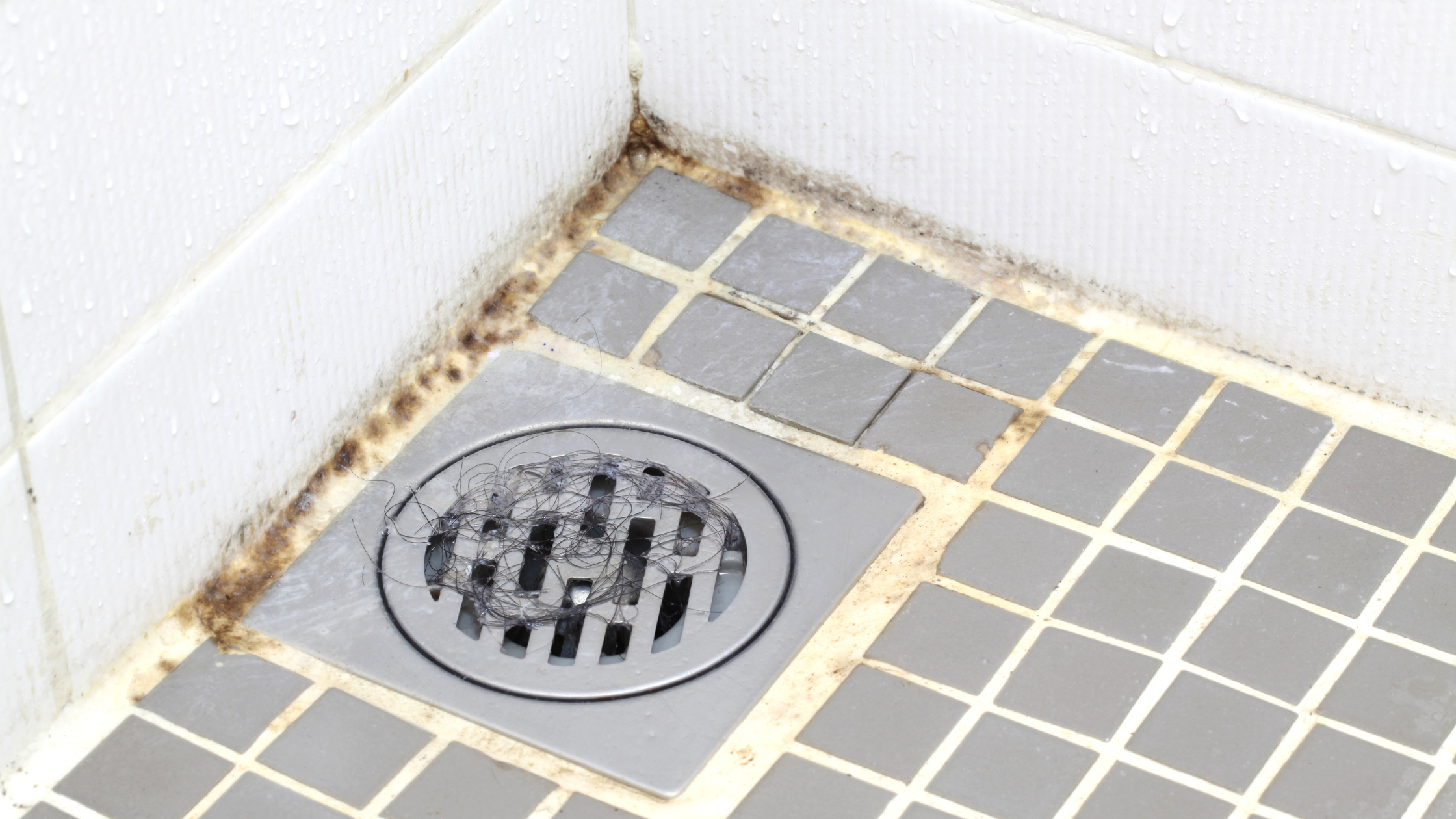
Black mold may appear as black, brown, or greenish-black spots on walls, ceilings, shower grout, or other surfaces. It can also produce a noticeable musty odor.
Black mold can produce mycotoxins, which are toxic substances that may have harmful effects on human health. These toxins can be absorbed through inhalation, ingestion, or skin contact.

Why is Black Mold Dangerous?
Black mold can be dangerous because it may produce mycotoxins that have harmful effects on human health.
Exposure to these toxins can lead to a wide range of health problems, from mild symptoms to more serious complications. The severity of symptoms often depends on the level and duration of exposure.
Symptoms associated with black mold exposure may include respiratory problems such as coughing, wheezing, and shortness of breath.
It can also cause headaches, fatigue, and skin irritation. In more severe situations, exposure to black mold may lead to neurological symptoms such as memory loss, mood changes, or seizures.
Exposure to black mold in bathroom areas can be particularly harmful for individuals with weakened immune systems, including the elderly, infants, and people with chronic illnesses.
Causes of Black Mold in Showers
Black mold in shower environments can develop quickly because showers provide the warm, moist conditions mold needs to grow.
Several factors can contribute to the growth of black mold in bathroom spaces, including:
Moisture
Moisture is the primary factor contributing to the growth of black mold in shower areas. When water accumulates on surfaces inside your shower, it creates a humid environment that encourages mold growth.
This can be caused by leaking pipes, standing water, or even consistently wet bath mats and towels.
Lack of Ventilation
Poor ventilation is another common cause of black mold in bathroom environments.
When there is no way for the moisture to escape, it can accumulate on surfaces and create a humid environment ideal for mold growth.
Ensure your bathroom is well-ventilated by opening windows, using exhaust fans, or installing a dehumidifier.
Poor Cleaning Habits
Poor cleaning habits can also contribute to black mold in shower areas.
When surfaces are not regularly cleaned, it can create a buildup of dirt, soap scum, and other organic matter that can attract mold spores.
Make sure to clean your shower regularly and thoroughly to prevent mold growth.
Signs of Black Mold in Showers
It's essential to be able to recognize the signs of black mold in shower areas so that you can take action quickly and prevent it from spreading throughout your home.
Here are some common signs of black mold in bathroom environments:
Discoloration
Black mold can appear as black, brown, or greenish-black spots on walls, ceilings, tiles, grout, and other surfaces in your shower.
These spots can be small or large and may appear fuzzy or slimy in texture.
Musty Odor
Black mold in shower areas can produce a musty odor similar to damp basements. If you notice a persistent musty smell in your bathroom, it could be a sign of black mold in bathroom spaces.
Respiratory Symptoms
Exposure to black mold can cause respiratory symptoms such as coughing, wheezing, and shortness of breath.
If you experience these symptoms after spending time in your bathroom, it could be a sign that black mold in shower areas is present.
Removal of Black Mold in Showers
If you notice signs of black mold in shower areas, it's important to take action to remove it as soon as possible.
Here are some methods for removing black mold and the odor it can cause in showers.
1. DIY Methods for Removing Black Mold in Showers
There are several DIY methods that can help remove black mold in shower areas, including:
Vinegar
Mix equal parts white vinegar and water in a spray bottle and spray the affected area. Let it sit for about an hour, then scrub the black mold with a brush and rinse with water.
Hydrogen Peroxide
Mix hydrogen peroxide and water in a spray bottle and spray the affected area. Let it sit for about 10 minutes before rinsing the area.
Baking Soda
Mix 1/2 cup of baking soda with enough water to create a paste. Apply the paste to the area affected by black mold in shower surfaces, allow it to sit for about 10 minutes, then scrub and rinse.
2. Professional Mold Removal Services
If the black mold in bathroom areas is extensive or you have health concerns, hiring a professional mold removal service is recommended.
Professional mold removal services are the best way to ensure that black mold is safely and completely removed from your home.
Professionals have the expertise and equipment needed to remove mold and prevent it from spreading.
Get Your Home Mold-Free Now!
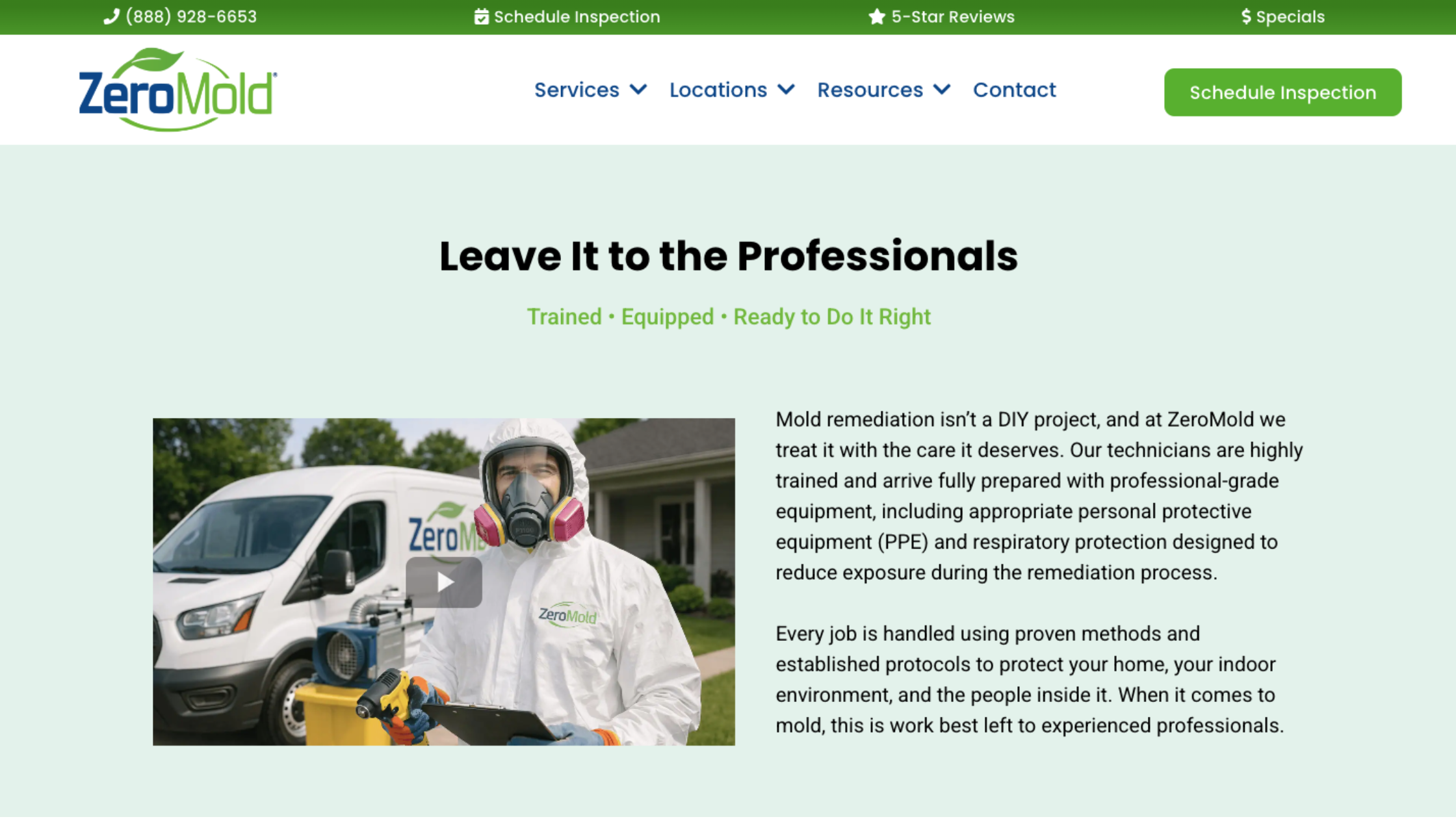
If you want to get your home mold-free now, look no further than ZeroMold's professional mold removal.
We are your trusted experts in providing reliable, cost-effective, and efficient solutions for removing black mold and other mold problems in your home.
Our experienced mold removal specialists use modern technologies, tools, and techniques to identify, inspect, and remediate black mold in bathroom areas and throughout your home.
We also provide helpful guidance to help prevent black mold in shower areas from returning.
With ZeroMold, you can be confident that your home will be safe and free from mold.
Trust ZeroMold to help restore a healthy living environment.
Final Thoughts
Black mold in shower areas can be dangerous to your health if left untreated.
Understanding the causes, signs, and prevention methods can help keep black mold in bathroom areas from developing in your home.
Regular cleaning, proper ventilation, and keeping surfaces dry are essential steps in preventing black mold from growing in your shower.
If you notice signs of black mold in shower areas, taking action quickly is important. In some cases, hiring a professional mold removal service may be the best way to ensure the mold is safely removed.
Taking these steps can help keep your bathroom safe and free from black mold for years to come.