


Black Mold vs Dust: Don’t Guess! Here’s How to Know for Sure
Black mold vs dust can appear similar at first glance, but they are very different. Black mold is a type of fungus that thrives in humid environments like basements. It’s also referred to as “toxic mold” because some strains produce dangerous mycotoxins.
These mycotoxins can be harmful if they become airborne and people breathe them in. Black mold is usually found in areas with high humidity or water damage, such as the basement, crawl space, or unfinished attic of your home.
If you think you have black mold, read this article for information about it, how to identify it, and how to prevent it from growing in your home.
What Is Dust?
Dust is a mixture of tiny pieces of dead skin, hair, fibers, and other materials. It can be indoor or outdoor dust, wherein indoor dust is more likely to become problematic, such as dust found in carpets, upholstery, and furniture.
Dust is common in all homes. It can be found on various surfaces, including walls and floors, window sills, shelves, and drawers. It is a normal part of life and can usually be cleaned regularly and easily.
There are different types of dust, and the type found in your house is likely made up of dead skin and household dust mites. Dust mites are microscopic bugs that feed on human skin scales but don’t bite people. They’re commonly found in bedding, furniture, carpets, and rugs.

What Is Black Mold?
Black mold is a type of fungus that grows in places with high moisture, such as the bathroom or basement. It is a serious health risk and can make you sick if you inhale the spores.
This mold often appears black or dark gray and may have a slimy or slippery texture. It can be found growing on walls and ceilings, behind furniture, or in the corners of your basement. Black mold grows in areas with high humidity and can be difficult to remove once established.
Many homeowners ask, can black mold look like dust? In some cases, early growth can appear dusty, which is why it’s important to look closely at dark buildup in damp areas.
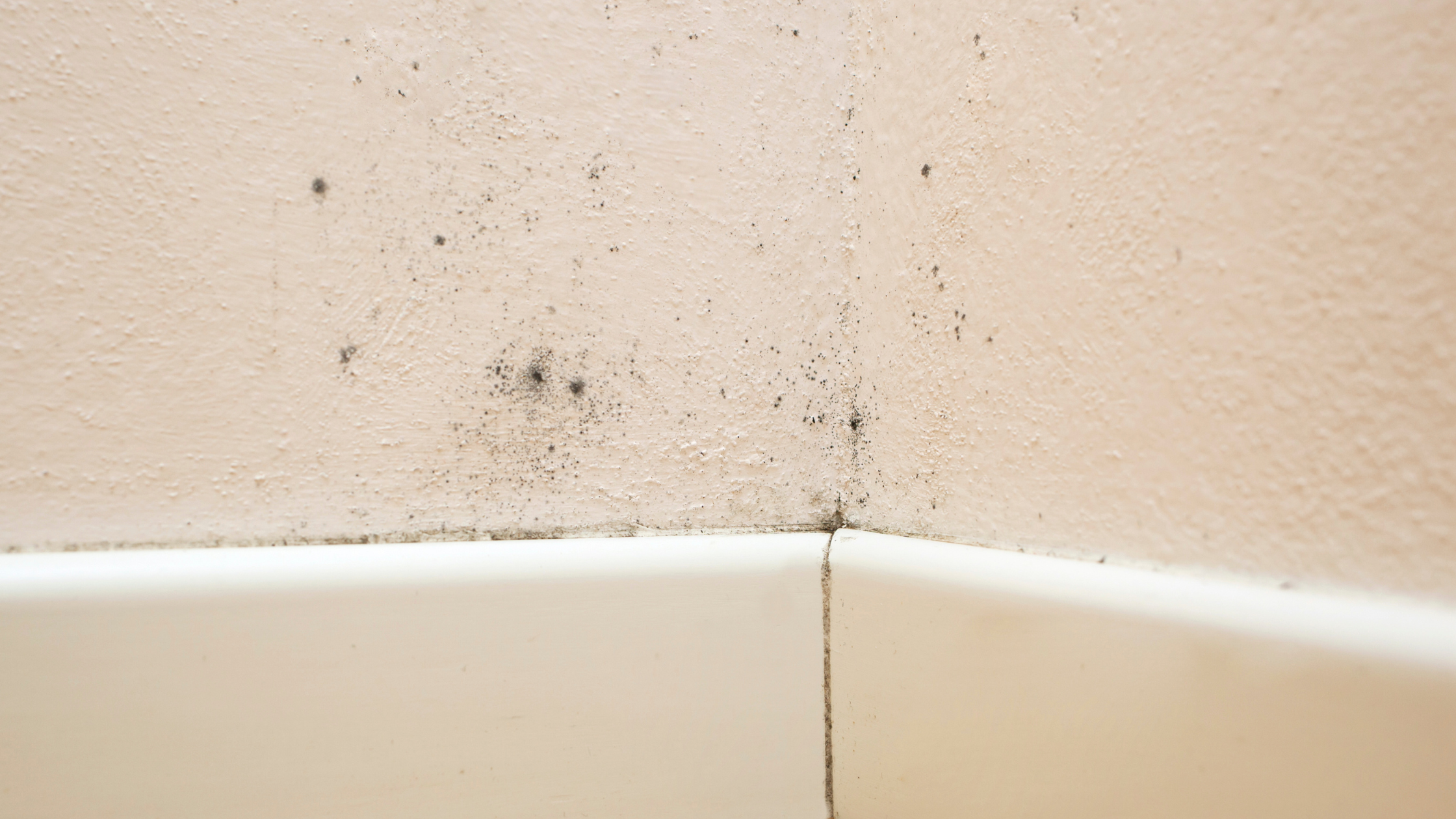
The Key Differences Between Dust and Black Mold
While black mold vs dust can look similar at first, there are a few clear differences that help tell them apart. Looking at how they form, what they look like, and how they affect your health can make it easier to understand what you’re dealing with and whether it’s something that needs more than routine cleaning.
Types
Dust is a mixture of tiny pieces of dead skin, hair, fibers, and other materials. Some types of dust may be problematic, especially for people with allergies. Black mold is a type of fungus that grows in places with high moisture, such as the bathroom or basement.
Growing Habits
Dust is a normal part of life and can be cleaned regularly. Black mold spreads and requires special skills and equipment to remove safely.
Appearance
Dust is usually light in color and powdery. Black mold appears as dark, fuzzy growth or sometimes as black spots or streaks on walls or other surfaces.
Smell
Some types of dust may have an odor, while others do not. Black mold typically smells musty, earthy, or rotten.
Health Hazards
Most types of dust are non-toxic, even though many can trigger allergies. Exposure to black mold spores can cause illness and other health issues.
How to Remove Dust
Dust usually consists of many different materials, including some types of fungi. However, the fungi found in dust are different from the fungi that cause black mold, so they do not pose the same health risk.
Dust can usually be removed by vacuuming or using a dust cloth. If you notice dust on floors or walls, you can sweep it up or wipe surfaces with a damp cloth. Be sure to wring out the cloth well so it does not leave moisture behind, which could encourage mold growth.
You can also use a feather duster for delicate items like china or décor. If you have allergies, using a vacuum with a filter designed to trap dust and allergens can help. Filters should be changed regularly.
How to Remove Black Mold
Black mold is more difficult to remove because it spreads quickly and often grows in areas that are hard to reach. Preventing black mold starts with keeping humidity levels low and maintaining proper air circulation.
If you see signs of black mold in your home, you should act as soon as possible. If you suspect black mold, take these steps:
First, try to identify and remove the source of excess moisture.
Then, contact a professional mold remediation expert. Black mold can be dangerous, so it’s important to get professional guidance before attempting cleanup on your own.
Follow the recommendations provided by the mold remediation professional. Avoid cleaning mold with bleach, as it can spread spores to other areas of the home.
Finally, repair affected areas and prevent mold from returning by lowering humidity and improving air circulation.
Small amounts of mold or mildew may be cleaned with proper equipment, but it’s always best to speak with a professional first.
Preventing the Growth of Dust and Black Mold in Your Home
You can reduce dust buildup and black mold growth by keeping your home’s humidity level below 50%. Proper humidity levels help maintain clean air and a comfortable living environment.
To reduce humidity, use air conditioners and dehumidifiers during warm months, and ensure proper ventilation year-round. Keep vents clear and air ducts clean to improve airflow.
Regular cleaning also helps reduce exposure. Vacuum often, especially near heating and cooling systems, in corners, under furniture, and behind appliances where dust collects.
Keeping your home clean and well-ventilated helps limit both dust and black mold growth.
Common Scenarios Homeowners Run Into
In many homes, it’s not immediately clear whether what you’re seeing is dust or black mold. Both can appear as dark buildup, especially in areas that don’t get much light or airflow. These common scenarios can help you better understand what you might be dealing with and when it’s worth taking a closer look.
Scenario 1: Basement Wall or Corner
You notice dark buildup along a basement wall or in the corner of the room. It keeps coming back even after wiping it down, and the area often feels cool or damp.
- This is often a sign of black mold caused by moisture, not dust.
Scenario 2: Bathroom Ceiling or Above the Shower
Small black or dark gray spots appear on the ceiling above the shower. Over time, the spots spread, especially during colder months when windows stay closed.
- This usually points to black mold growth related to humidity and poor ventilation.
Scenario 3: Top of Shelves or Window Sills
A thin layer of dark residue collects on high shelves, window sills, or behind furniture that is rarely moved. It wipes away easily and does not leave stains behind.
- This is more likely dust buildup, especially in areas with low air circulation.
Scenario 4: Under Furniture or Along Baseboards
You see dark marks along baseboards or under furniture placed against exterior walls. The area may have been exposed to leaks or condensation in the past.
- This can indicate mold growth rather than dust, particularly if the marks return after cleaning.
Scenario 5: Inside Closets or Storage Areas
Dark spots or smudges appear on walls inside closets or storage spaces with little airflow. There may also be a musty smell when the door is opened.
- This is commonly associated with black mold due to trapped moisture and limited ventilation.
When to Get Professional Help
Preventing dust buildup and controlling moisture can go a long way, but sometimes mold problems start in places you can’t see. If you continue to notice musty odors, recurring moisture, or dark growth that keeps returning, it may be more than a surface issue.
ZeroMold works with homeowners to identify whether mold is present and where it’s coming from. A professional inspection can help confirm what’s going on and determine the safest next steps, especially when moisture or hidden mold may be involved.
Getting expert guidance early can help prevent bigger problems and protect the health of everyone in the home.

Final Thoughts
Although black mold vs dust may appear similar, they are very different. Dust is a mixture of everyday particles that can usually be cleaned easily. Black mold is a moisture-driven fungus that grows in damp areas and can pose health risks if not addressed.
Understanding the difference helps homeowners know when routine cleaning is enough and when professional help is needed.