
➤ (888) 928-6653 ____ ➤ Schedule Inspection
Mold Testing
Accurate Mold Testing for Clear, Confident Decisions
Certified Mold Testing
Results you can trust
Mold testing helps determine if mold is present, what type it is, and how serious the problem may be. At ZeroMold, our professional mold testing services provide reliable data about indoor air quality and potential mold contamination—so you can take the right next step with confidence.
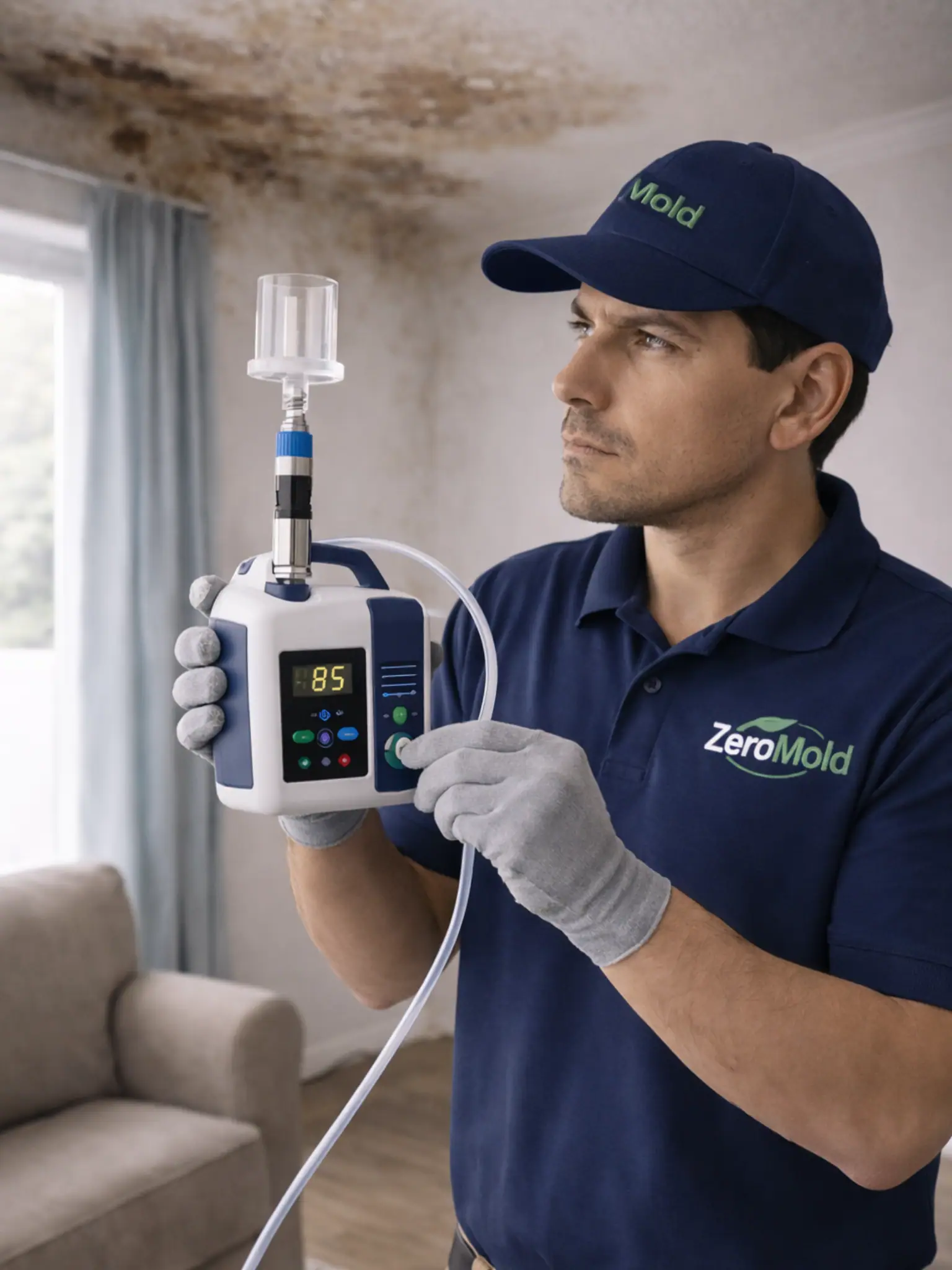
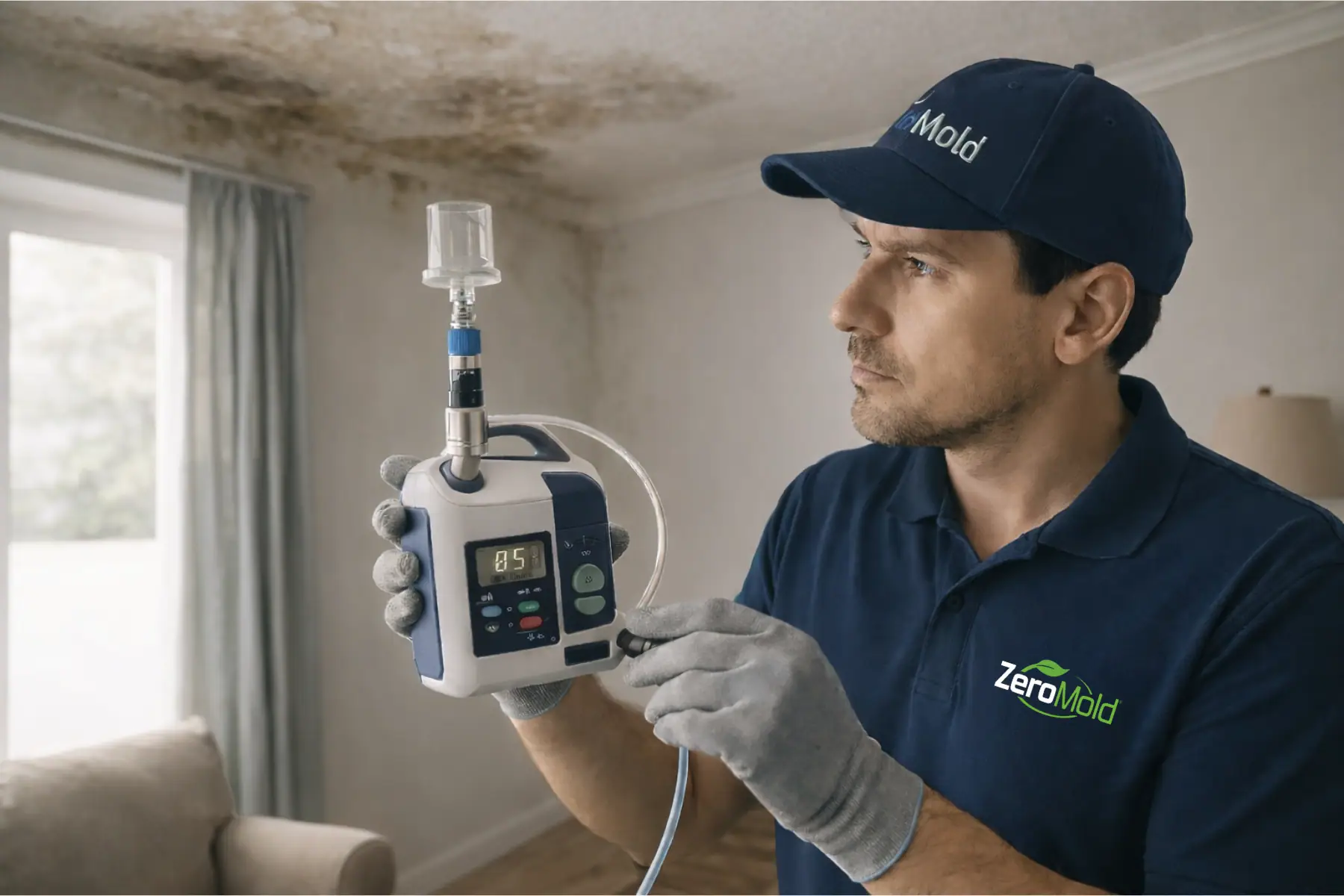
We use targeted air and surface sampling, combined with professional analysis, to identify mold spores that may not be visible to the eye. Whether you’re experiencing health symptoms, musty odors, or recent water damage, our testing process delivers clear answers without guesswork or scare tactics.
When Mold Testing Is (and Isn’t) Needed
Honest Guidance Based on Your Situation
Mold testing is not always required—and a trustworthy professional will tell you that. At ZeroMold, we recommend mold testing when it provides meaningful information that helps guide next steps, not simply to generate a report.
Mold is suspected but not visible
You’re experiencing health symptoms
There has been recent water damage or flooding
You need documentation for real estate transactions or insurance
You want to verify indoor air quality concerns
In cases where visible mold is already present, testing may not be necessary to begin remediation. In those situations, addressing the source and correcting the problem is often the priority.
Our Mold Testing Process
Accurate Sampling • Clear Results • Honest Recommendations
At ZeroMold, our mold testing process is designed to provide reliable information—not confusion or unnecessary alarm. We focus on collecting meaningful data that helps determine whether mold is present, where it’s coming from, and what steps (if any) should be taken next.
1
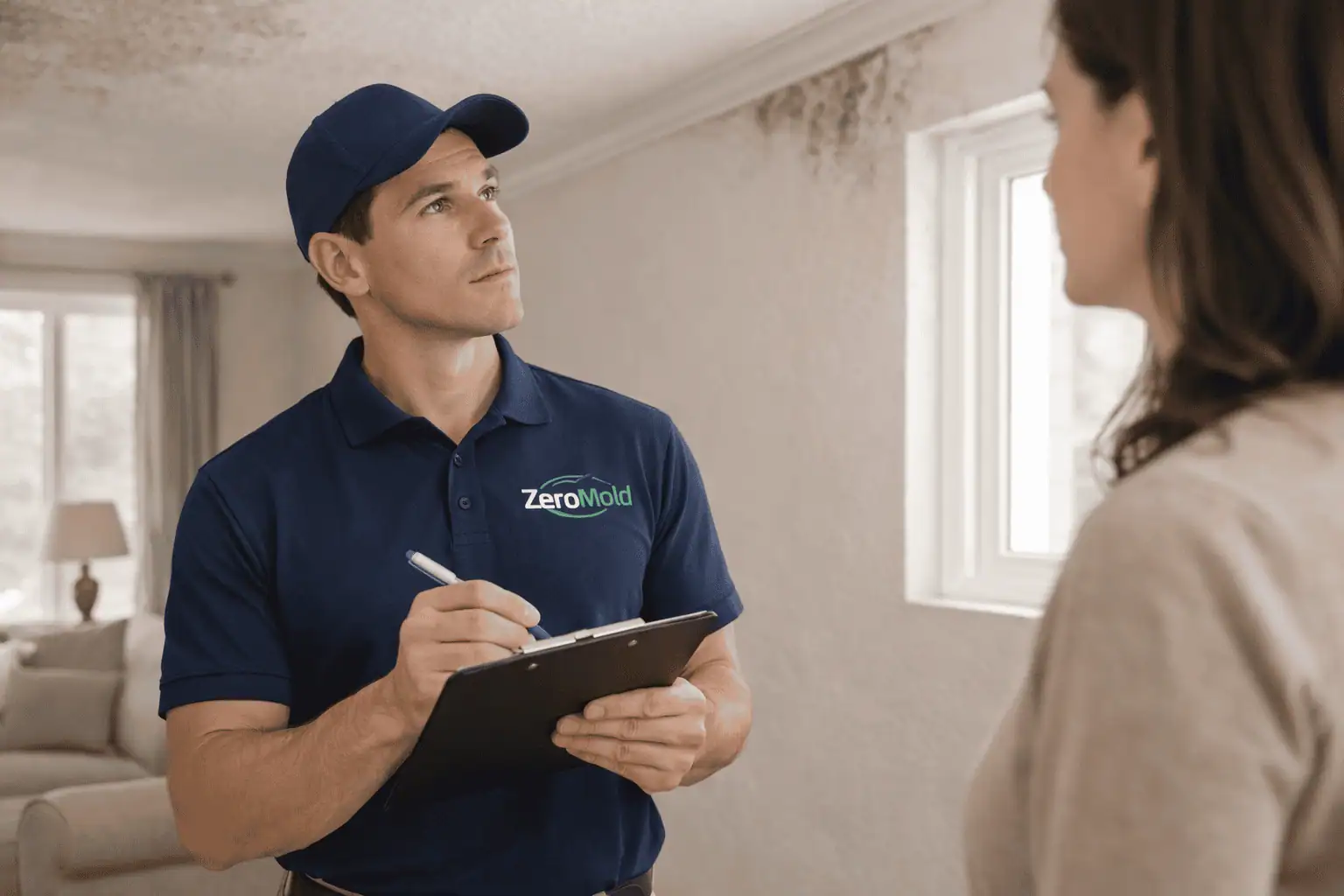
Initial Evaluation
We begin by reviewing your concerns, symptoms, and any visible signs of moisture or mold. This helps us determine whether testing is appropriate and what type of sampling will be most useful.

2
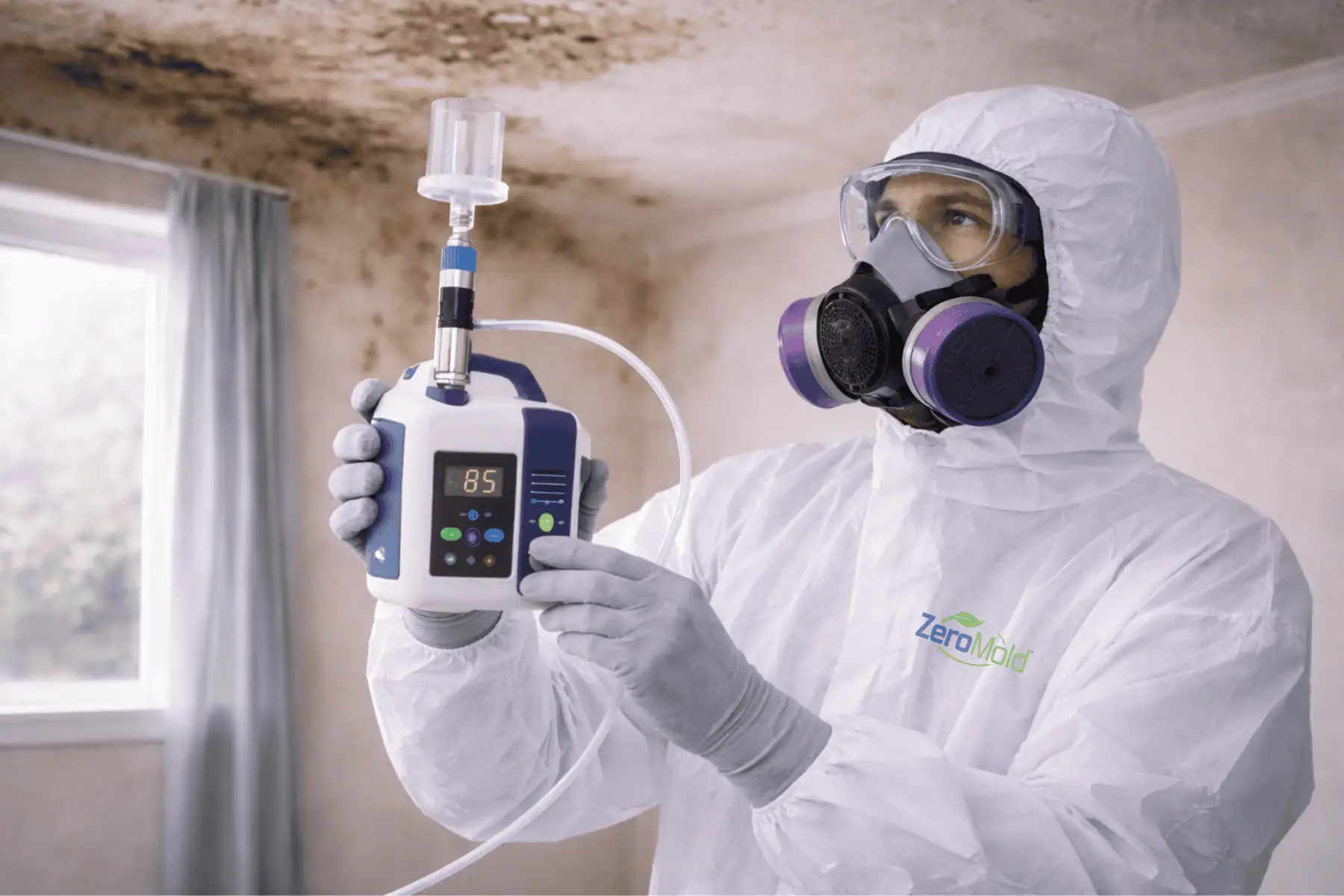
Targeted Air & Surface Sampling
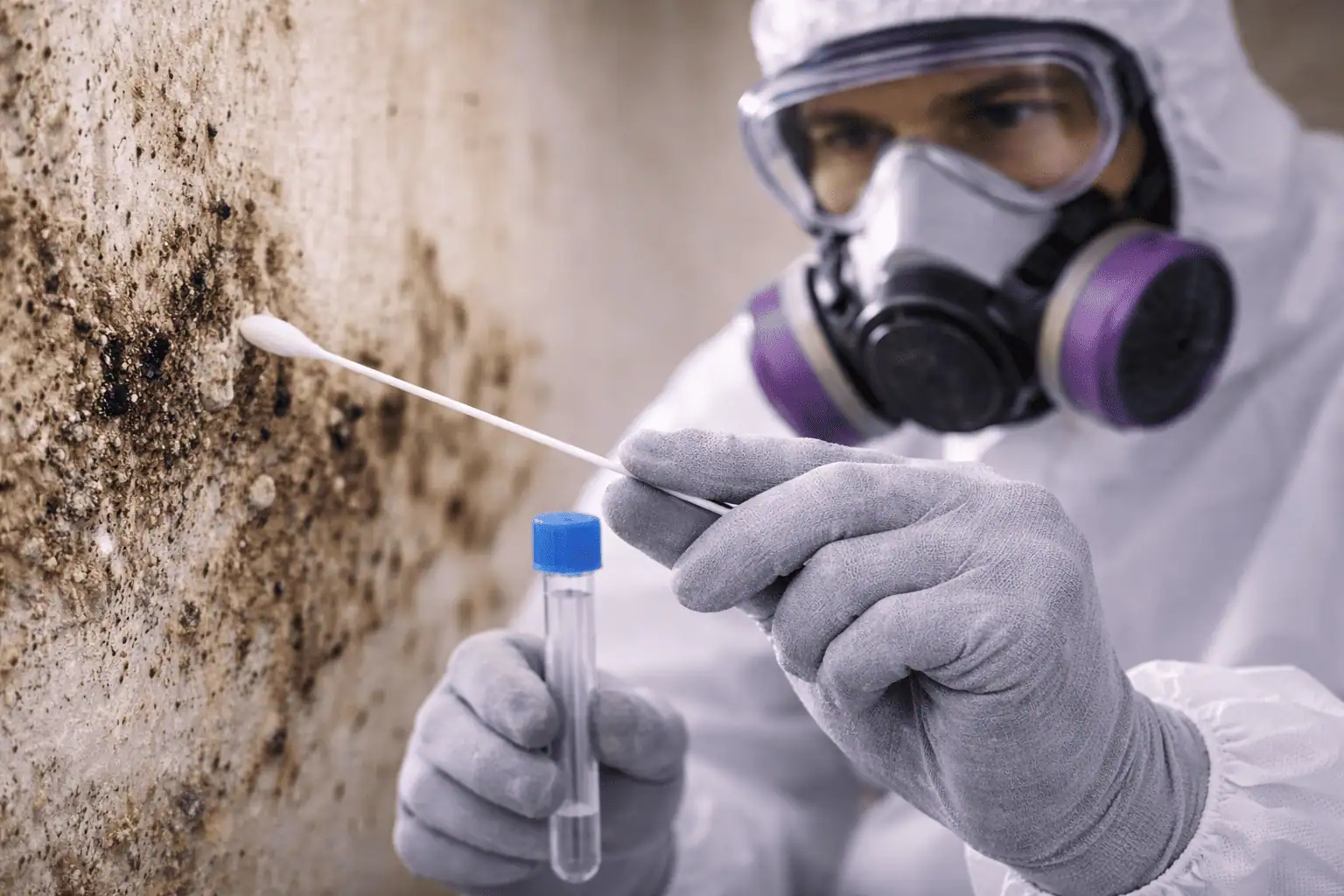
When testing is recommended, we collect air and/or surface samples from specific areas of concern. Our approach is targeted—not excessive—to ensure accurate and relevant results.
3

Professional Analysis
Samples are analyzed to identify mold spore types and levels, helping assess indoor air quality and potential exposure concerns.
4
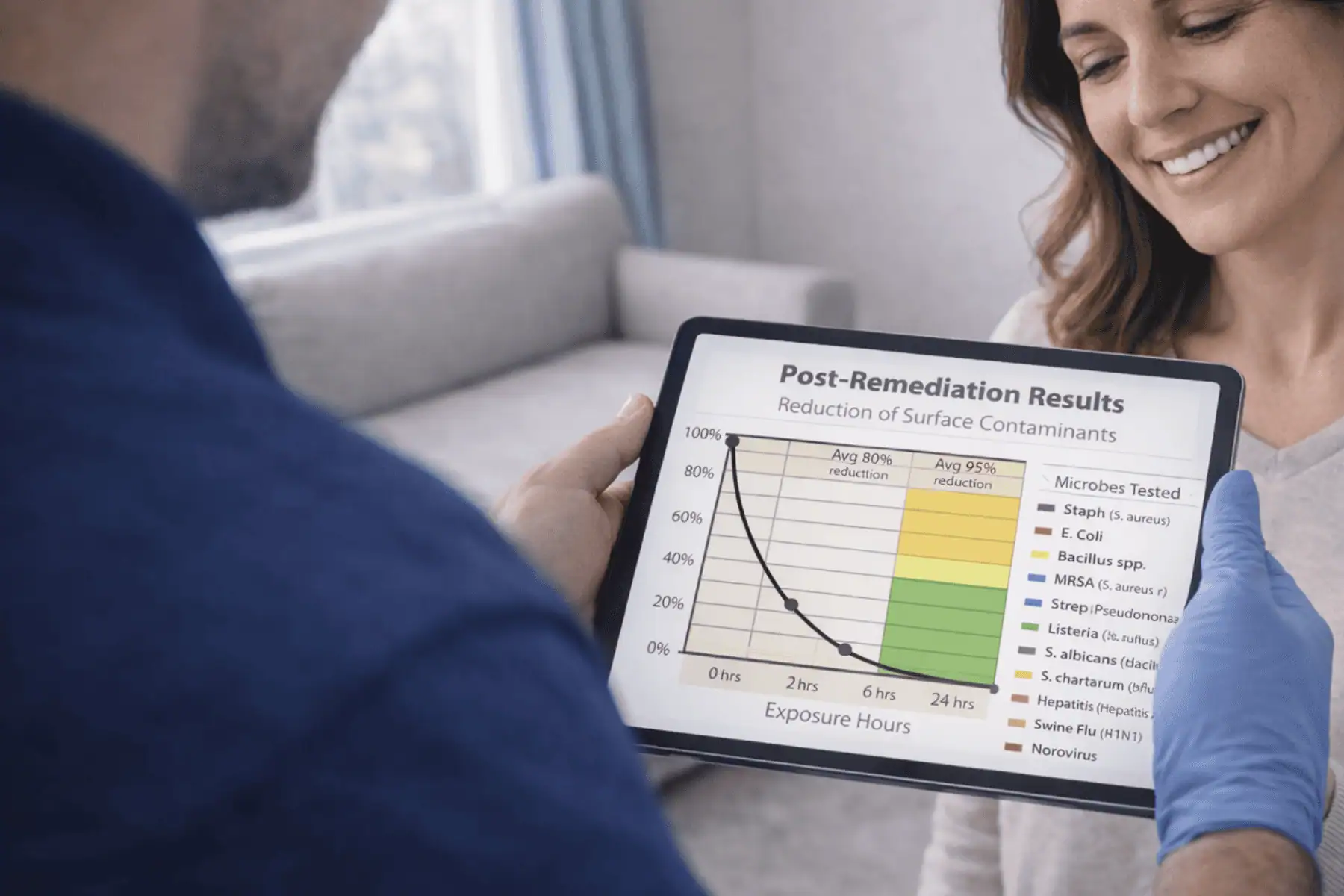
Clear Results & Guidance
We explain the results in plain language and provide honest recommendations. If remediation is needed, we outline next steps. If it’s not, we’ll tell you that too.
Types of Mold Testing We Offer
Targeted Testing Based on Your Needs
At ZeroMold, we don’t believe in one-size-fits-all mold testing. The type of testing we recommend depends on your specific concerns, the condition of the property, and what information is actually needed to move forward.
Specialized Testing
Air Quality Testing
Mycotoxin Testing
ERMI Testing
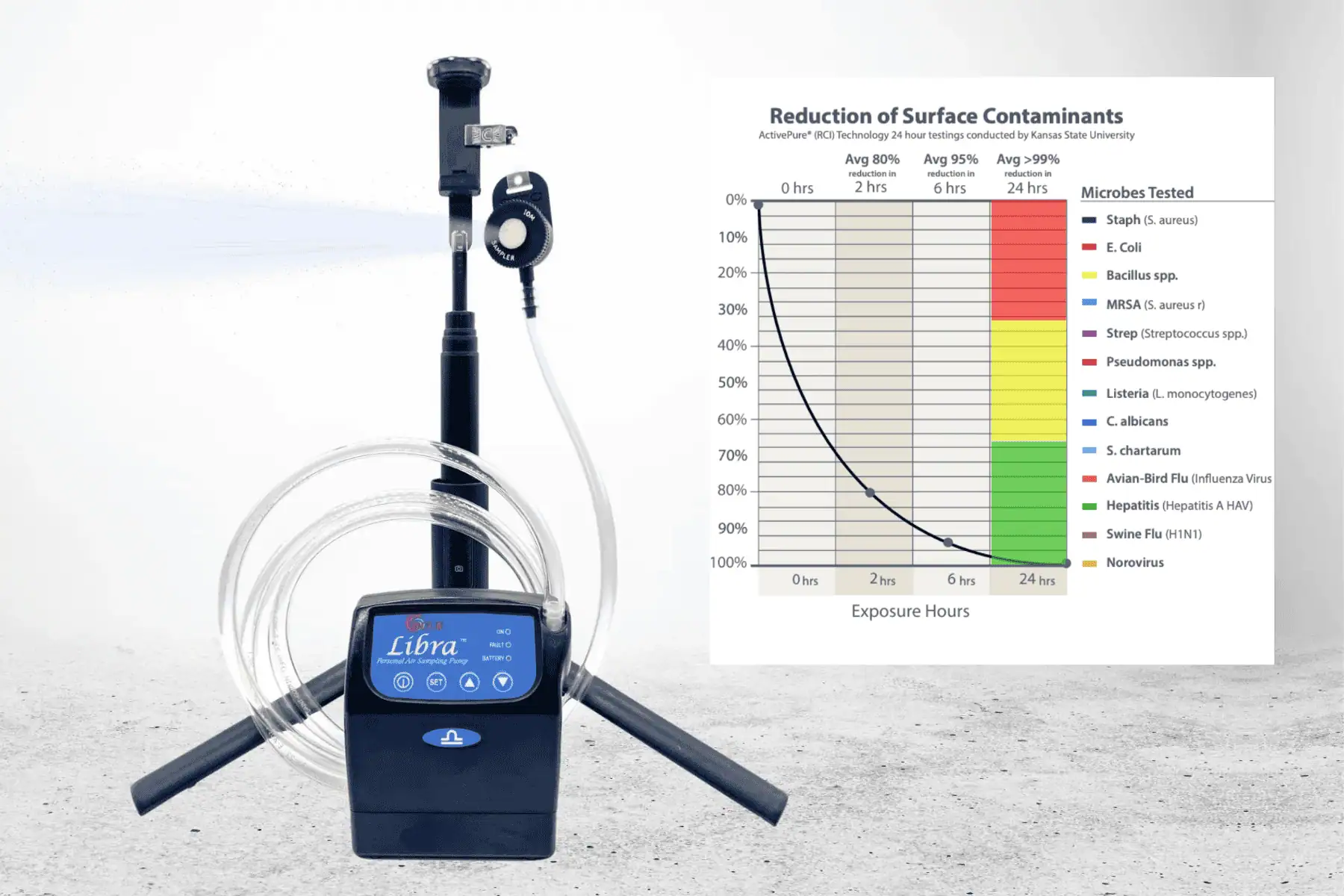
Air Sampling
Air testing measures the type and concentration of mold spores in the indoor air. This is especially useful when mold is suspected but not visible, or when evaluating indoor air quality concerns related to health symptoms.
Surface Sampling
Surface testing is used to identify mold growth on visible surfaces. This helps confirm the presence and type of mold in specific areas and can be useful for documentation or further evaluation.
Targeted Testing Only—Never Excessive
We only recommend testing that provides meaningful insight. If testing isn’t necessary, we’ll tell you. Our goal is to give you clear answers, not overwhelm you with unnecessary samples or reports.
What to Do If Mold Is Found
Clear Next Steps
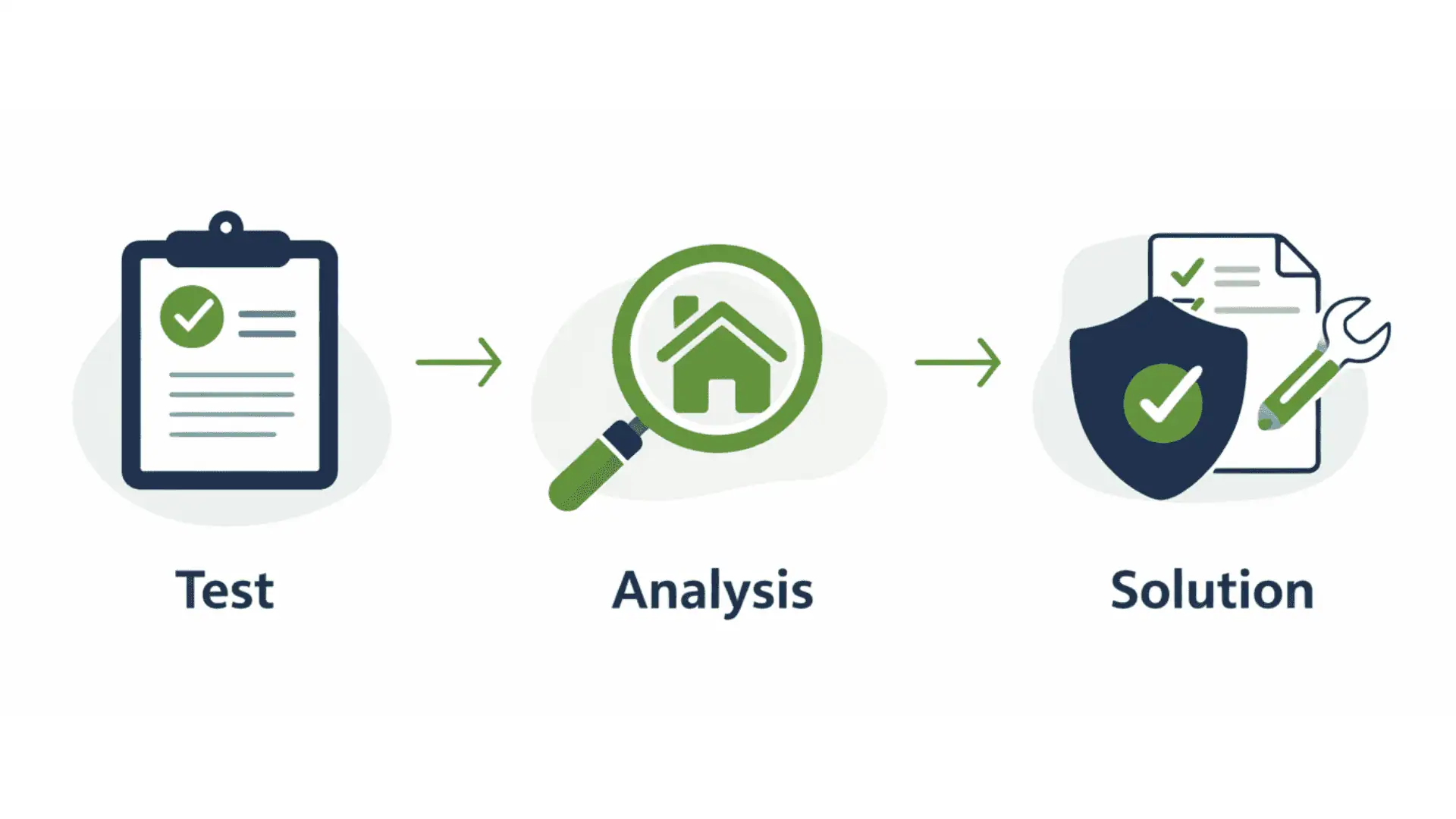
If your mold test indicates elevated levels or potential concerns, the next step is understanding what those results actually mean for your home. At ZeroMold, we review your testing data, identify likely sources, and develop a clear, professional plan to address the issue. Our approach focuses on correcting the underlying problem and recommending the appropriate remediation—so you can move forward with confidence, not confusion.
Review the Results
We carefully analyze your mold testing data and explain what the findings mean in plain language—no guesswork, no scare tactics.
Identify the Source
Our team helps pinpoint contributing moisture or environmental factors that led to the results, ensuring the root cause is addressed.
Create a Remediation Plan
Based on the findings, we develop a tailored plan outlining the appropriate next steps to remediate the mold safely and effectively.
Types of Mold Commonly Found
Stachybotrys (Black Mold)
A greenish-black mold commonly found on fiberboard, gypsum board, and paper
Possible Side Effects:
Fatigue, Headaches, Irritation to the eyes, Fever, Sneezing, Rashes, Nausea, Vomiting

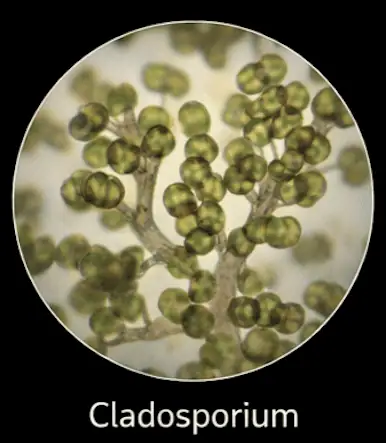
Cladosporium
Found in damp areas like bathrooms, basements, and around windows, thriving on surfaces such as wood, carpet, wallpaper, fabric, grout, and HVAC systems, especially where moisture and condensation are present
Possible Side Effects:
Primarily causes allergy-like symptoms such as sneezing, runny nose, itchy eyes, coughing, and dry skin, with potential for worsening asthma, chest tightness, and fungal sinusitis
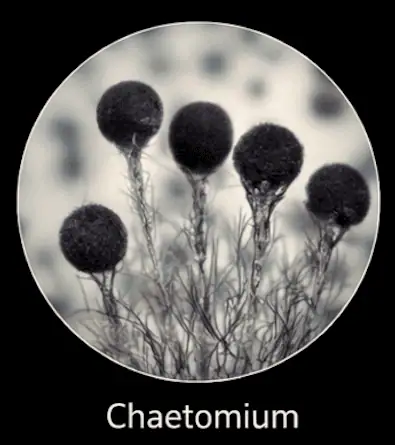
Chaetomium
Attaches to cellulose found in wood, ceiling tiles, and drywall
Possible Side Effects:
Sinus congestion, Asthma, Sore throat, Sneezing, Linked to cancer, Itchy and watery eyes, Serious neurological effects
Aspergillus
Can cause infections in people with weakened immune systems
Possible Side Effects:
Sinus congestion, Asthma, Sore throat, Sneezing, Itchy and watery eyes, Possible ear infections, Possible skin lesions

Penicillium
Fast-growing mold found on foodstuff, leather, and fabrics
Possible Side Effects:
Sinus congestion, Asthma, Sore throat, Sneezing, Itchy and watery eyes, Hay fever

Fusarium
Commonly found on water-damaged drywall, carpets, and wood flooring
Possible Side Effects:
Pathogenic health effects, Toe nail infections, Respiratory infections, Skin infections

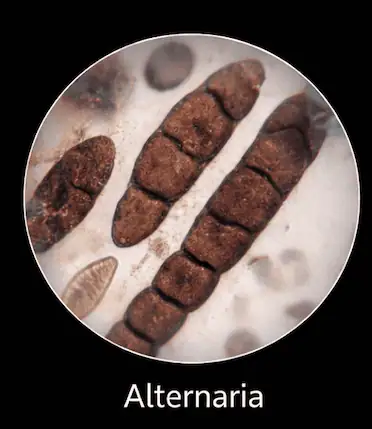
Alternaria
Produces large brown spores in humid locations such as bathrooms
Possible Side Effects:
Sinus congestion, Asthma, Sore throat, Sneezing, Itchy and watery eyes, Hyper sensitivity, Skin infections
Our Guarantee
Honest Evaluations • Proven System • Minimal Disruption
At ZeroMold, we stand behind both our work and our process. That’s why every project is backed by our 100% service guarantee. If mold returns in an area we treated—after the underlying source has been properly corrected—we will return and re-treat the affected area at no additional charge, in accordance with our terms and conditions.
Our goal is to provide honest evaluations, effective solutions, and professional remediation without unnecessary demolition. We do the job right, and we stand behind it.
Eco-Friendly


Entire Home Treatment
Same-Day Service
Complete Removal
Best Value
Guaranteed Results
1-Year Warranty
Mold Testing FAQs
Clear Answers About Professional Mold Testing
Do I always need mold testing if I suspect mold?
No. Mold testing is not always necessary. If visible mold is present, remediation can often begin without testing. At ZeroMold, we only recommend testing when it provides useful information that helps guide next steps.
What does mold testing actually tell me?
Mold testing can identify the presence, type, and concentration of mold spores in the air or on surfaces. This information helps assess indoor air quality and determine whether further action is needed.
Can mold testing tell me if mold is dangerous?
Testing can identify mold types and spore levels, but it does not diagnose health conditions. Results are best used as part of a bigger picture that includes symptoms, moisture conditions, and professional evaluation.
How long does it take to get mold testing results?
Results are typically available within a few days after samples are analyzed. Once received, we review the findings with you and explain what they mean in clear, easy-to-understand terms.
Will ZeroMold explain the results and next steps?
Absolutely. We walk you through the results and provide honest recommendations. If remediation is needed, we explain why. If it’s not, we’ll tell you that too—no pressure, no scare tactics.
Contact our ZeroMold Specialists
Let's get started


Copyright © 2026 ZeroMold. All Rights Reserved - Privacy Policy - Terms & Conditions