Who Pays for Mold Remediation?
(The Honest Answer Most Companies Won’t Tell You)
If you’re dealing with mold, one of the first questions that comes up is:
“Who actually pays for this?”
Here’s the honest answer—no fluff, no guessing:
Most of the time, the homeowner pays.
But there’s more to it than that.
The Simple Rule: It Depends on the Cause
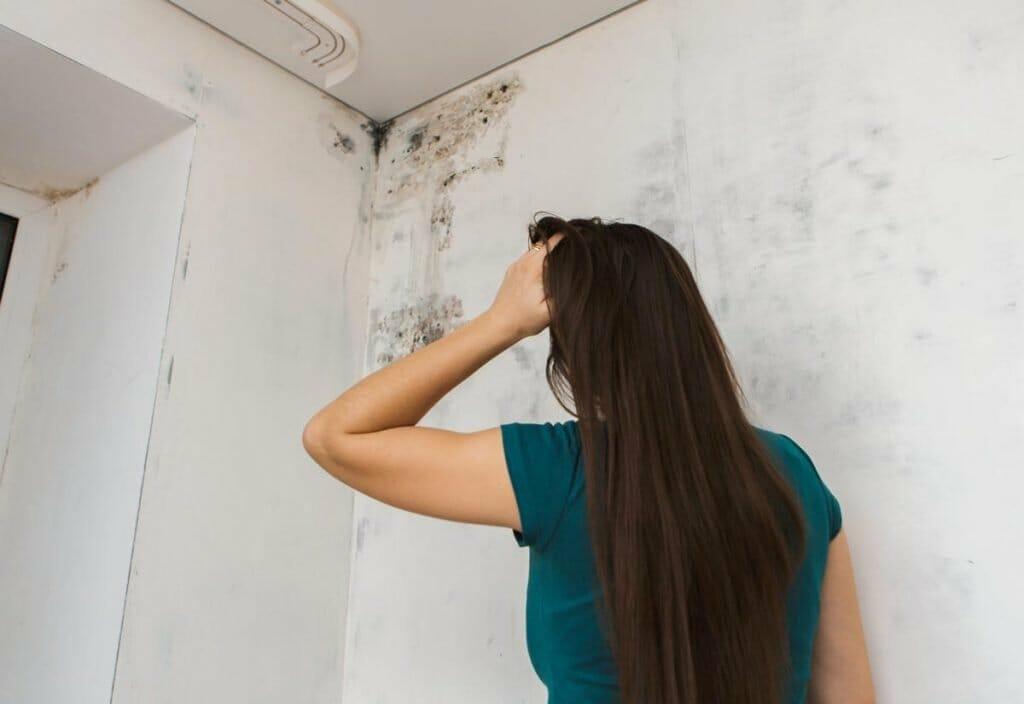
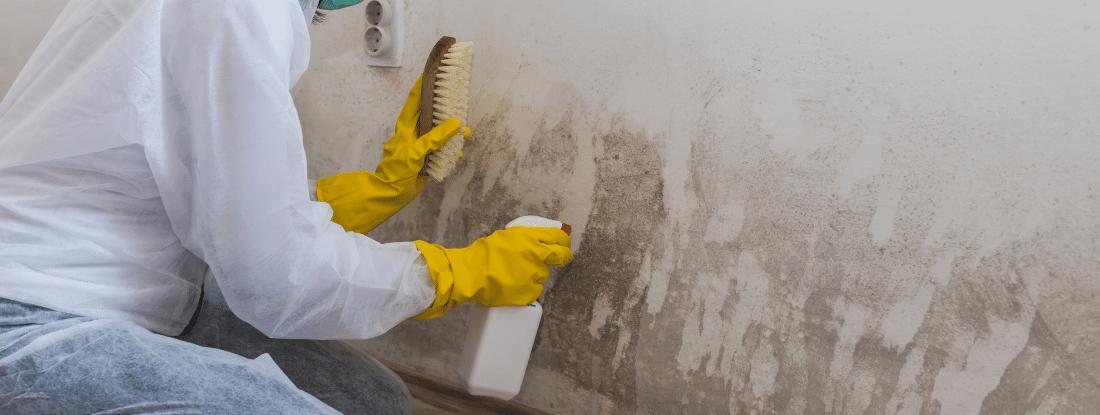
Mold isn’t usually treated as the main problem—it’s treated as a result of something else.
That “something else” is what determines who pays.
Insurance May Cover Mold If:
It’s tied to a sudden water damage event
Pipe burst
Appliance failure
Major leak
You can clearly connect the mold to that specific incident
In these cases, mold remediation is often included as part of the water damage claim.
Insurance Usually Does Not Cover Mold If:
It developed over time
It’s due to:
Slow leaks
Poor ventilation
Humidity issues
It’s considered a maintenance issue
And this is where most homeowners get surprised.
The Reality We See Everyday
At ZeroMold, about:
20% of jobs are covered by insurance
80% are paid out of pocket
That’s not a guess—that’s real-world experience.
Most mold problems come from:
Plumbing issues
Small leaks that go unnoticed
Moisture building up over time
A Real Example (Why This Gets Confusing)
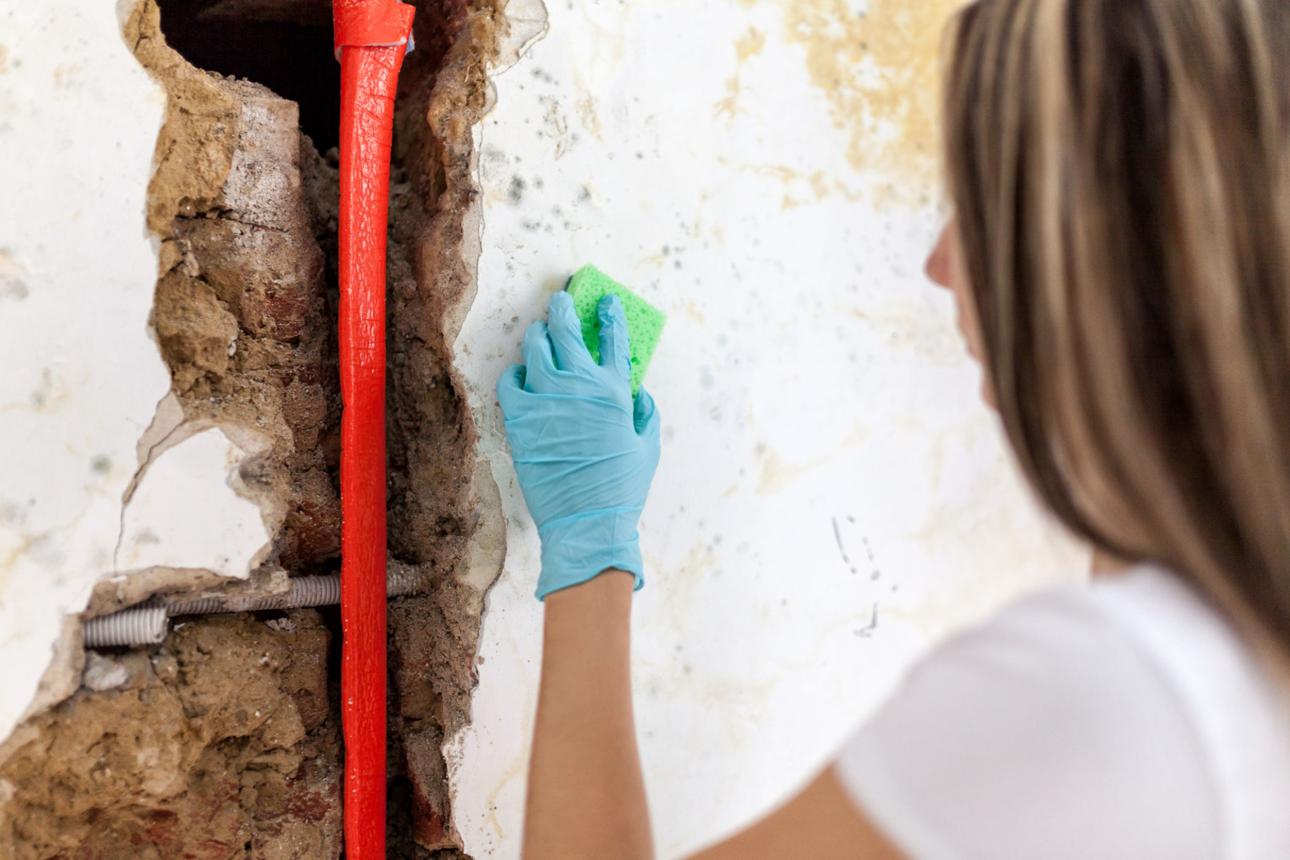
We had a customer with a leak inside a wall.
It wasn’t visible
It went unnoticed
Mold developed behind the wall
You’d think that would be denied as a “slow leak”… but it was actually covered by insurance.
Why?
Because it wasn’t something the homeowner could reasonably detect.
Biggest Mistake Homeowners Make
Waiting is the most expensive mistake.
Mold doesn’t stay small.
The longer it sits:
The more it spreads
The more damage it causes
The more expensive it becomes
Whether insurance pays or not…the cost only goes up if you delay.
Should You File an Insurance Claim?
Here’s the smart approach:
You’ll probably pay—but always check your policy.
Too many people:
Assume it’s covered → get denied
Or assume it’s not → never even check
The truth is:
Some claims get approved when people don’t expect it
Some get denied when people do expect it
Read your policy or talk to your agent.
And don’t be afraid to question the adjuster.
What About Home Sales?
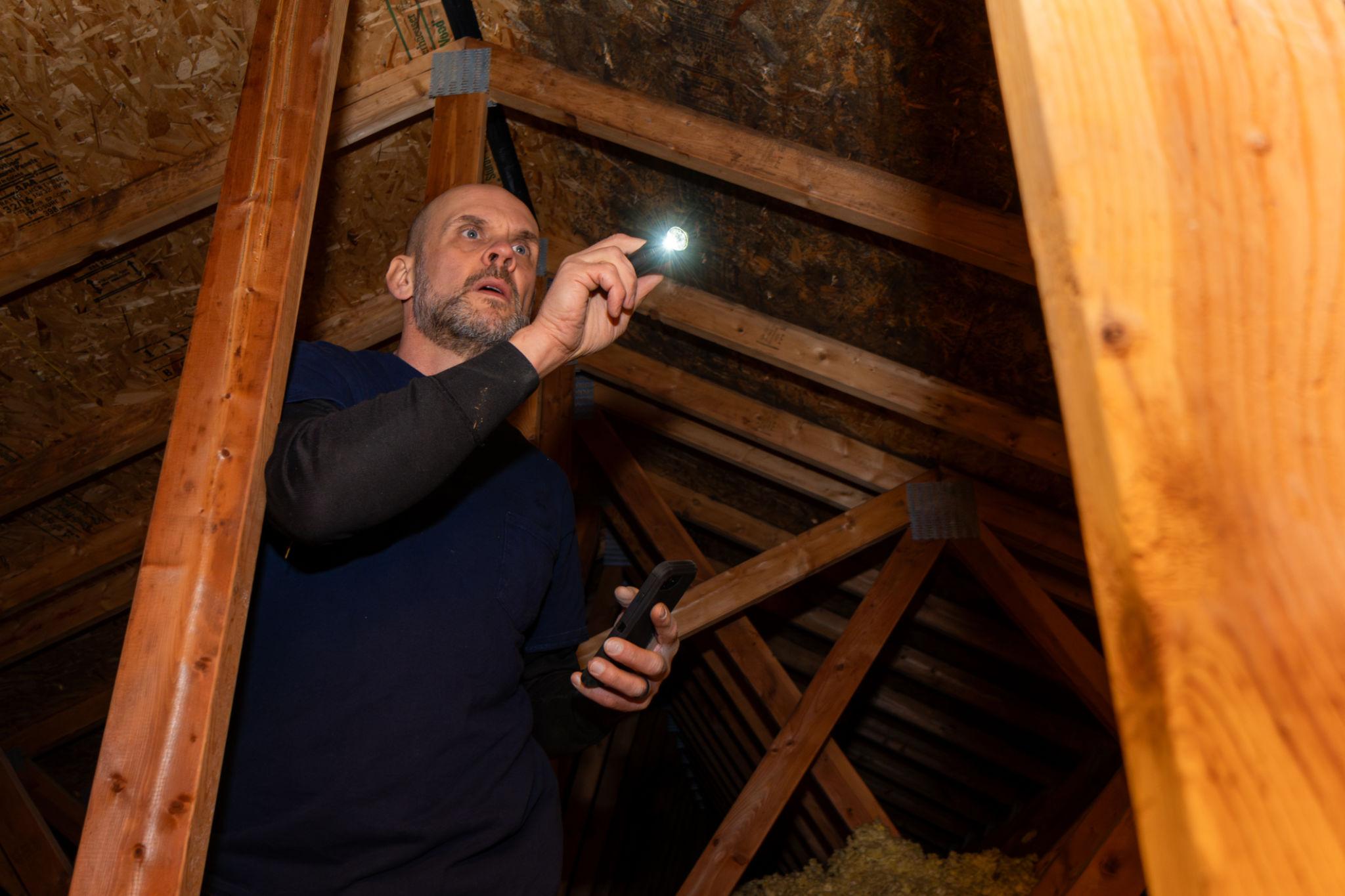
Mold shows up in inspections all the time.
Here’s what usually happens:
The seller pays to fix it
Or it becomes part of the negotiation
If no agreement is reached… the deal can fall apart
We’ve seen plenty of deals saved—and lost—over mold.
Landlords vs Tenants
In most cases:
The landlord is responsible.
Mold is typically tied to:
The structure
Plumbing
Ventilation
Which falls under property ownership—not the tenant.
The Cost (And Why It’s Not Always as Bad as You Think)
A lot of people expect the worst when they hear “mold remediation.”
But here’s the reality:
Small jobs can be under $600
The average job is around $2,500
Most customers say: “That’s less than I expected.”
Why Many People Skip Insurance Altogether
This surprises people…
Even when insurance might cover it, many homeowners choose not to file a claim.
Why?
Avoid premium increases
Avoid claim history
Avoid the hassle
And in many cases, it’s simply more cost-effective to just handle it.
How ZeroMold Changes the Equation
Traditional mold remediation can get expensive fast because of:
Heavy demolition
Long timelines
Rebuild costs
ZeroMold takes a different approach:
Less demolition
Faster treatment
Lower overall cost
Treats both visible mold and airborne spores
That’s why many customers choose us instead of going through insurance.
Final Takeaway
If you remember one thing, make it this:
You’ll likely pay—but always check your policy first.
And more importantly:
Don’t wait. Waiting turns a small problem into a big one.
Need Help Figuring Out Your Situation?
Every situation is different—and a quick look can save you a lot of money (and stress).
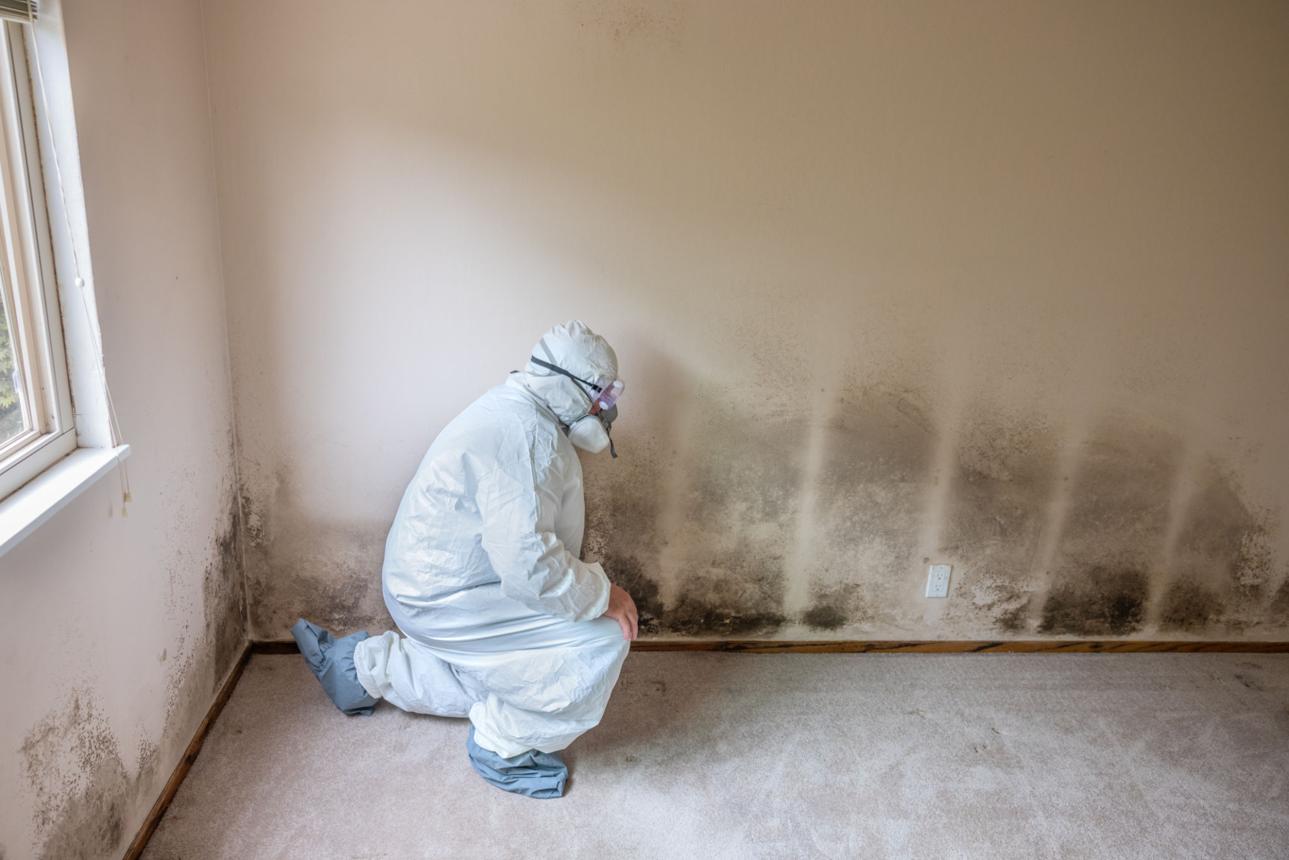
Get a free inspection and honest evaluation.
We’ll help you understand:
What caused the mold
Whether insurance might apply
The most cost-effective way to fix it
Call now to schedule your free inspection