Do You Have Mold in Concrete? Here’s How to Tell
If you live in a humid climate, you may have discovered ugly yellow or green splotches of mold in concrete around your home. It might look gross, but it’s not necessarily a sign that your home is unlivable.
After all, concrete is made from natural materials such as soil and stone. If the porous surface of concrete is exposed to moisture and has ample darkness, it’s only natural that some microorganisms will take up residence there. This is why mold in concrete walls, basements, and foundations is fairly common in damp environments.
This article will introduce you to the different types of mold that can grow on concrete and explain how to treat them effectively.
Identifying Mold in Concrete
Concrete is an excellent building material, but it’s definitely not immune to the growth of different types of mold. If you discover mold growing in concrete, you should take steps to address it as quickly as possible.
In addition to being unsightly, certain types of mold can produce toxic substances that may be harmful to people, animals, and other living organisms. Before starting any mold removal or remediation project, you should carefully examine the concrete in question for identifying marks.
You can use a black light to help detect mold spores that are not yet visible to the naked eye. Mold tends to grow in colonies, so you may be able to identify the type of mold present based on appearance, growth patterns, and odor.
Black Staining From Water Damage
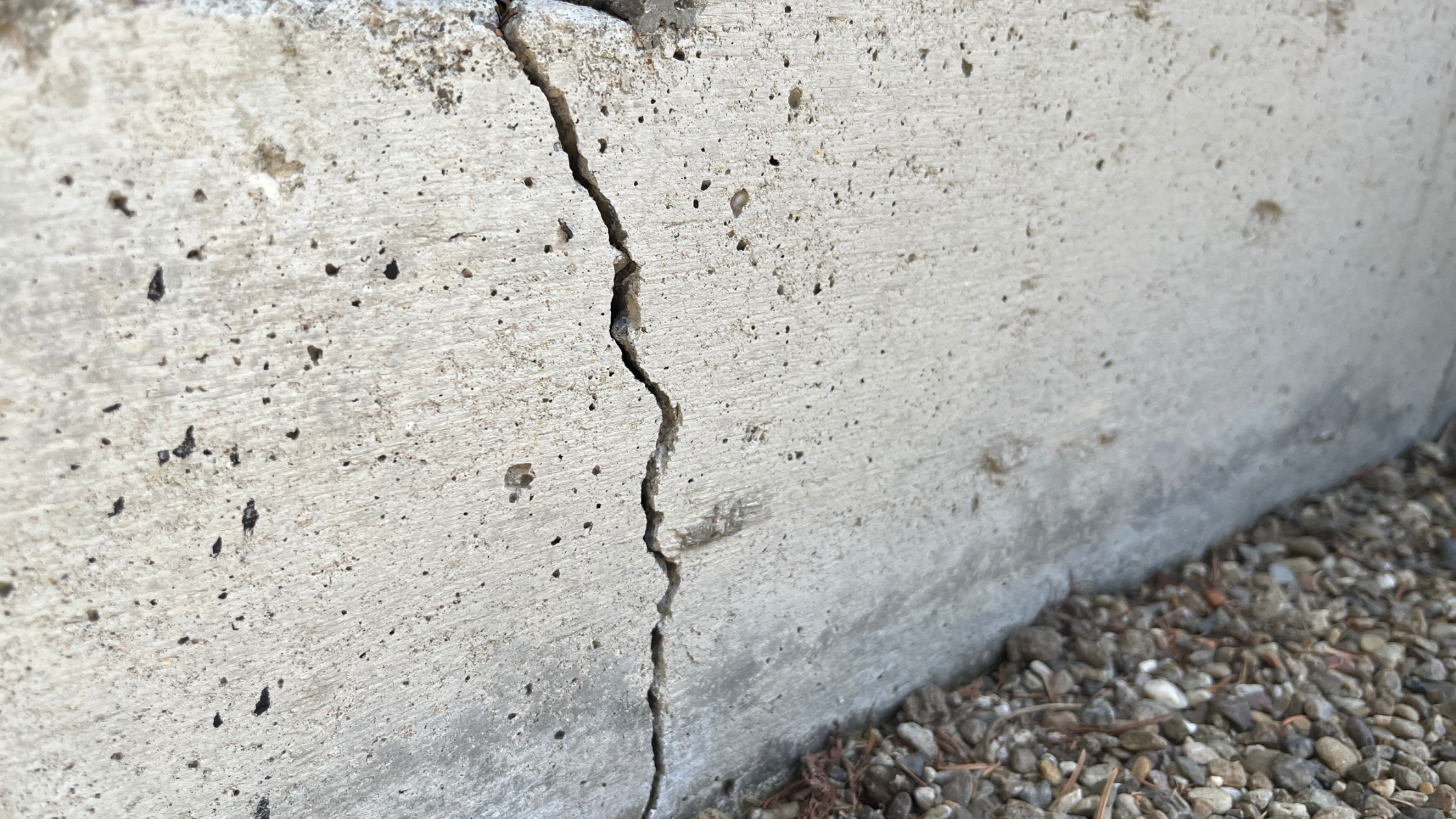
If your concrete is stained with a black substance, there may be mold in the concrete, but it could also be a sign of water damage.
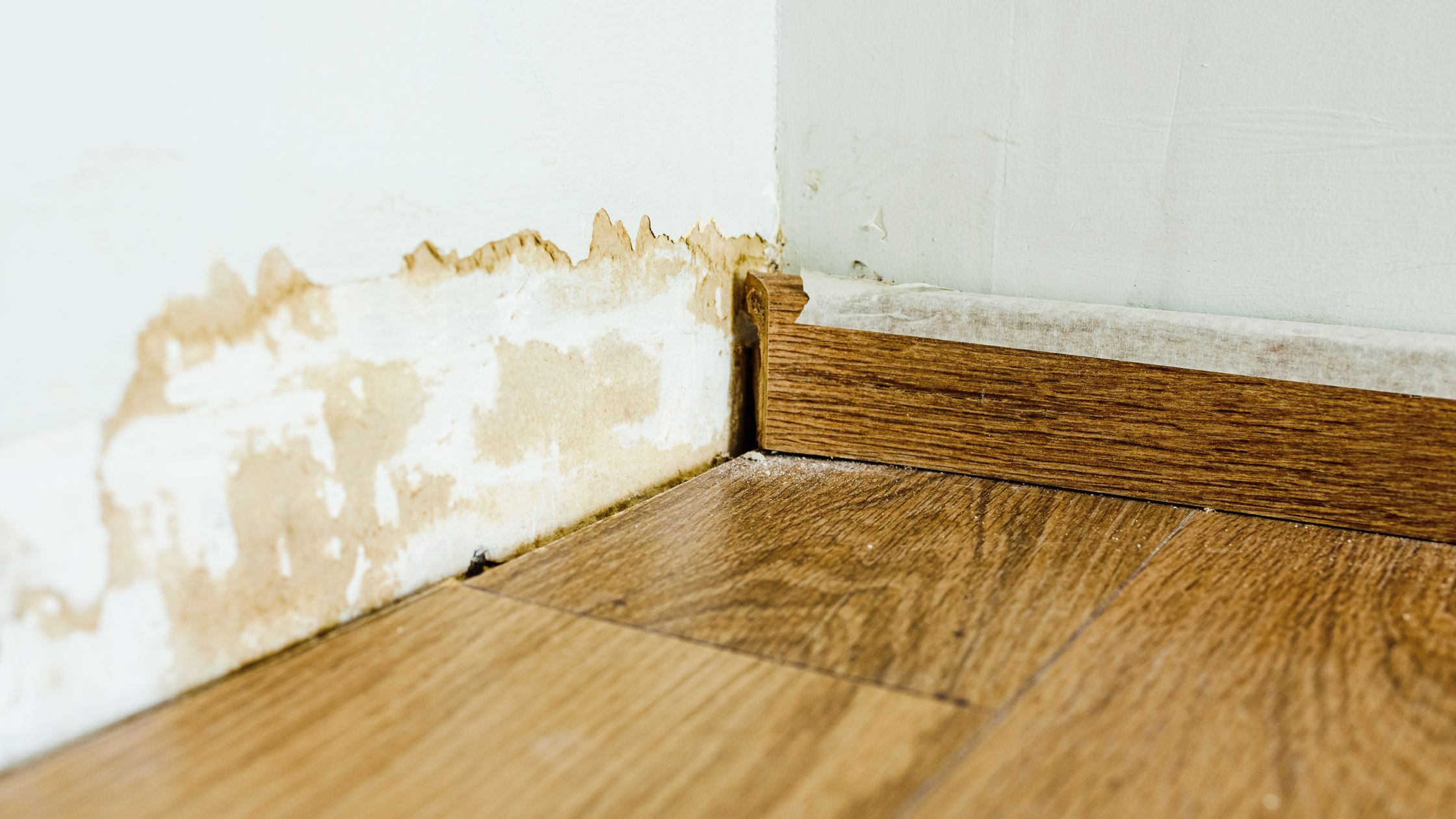
If staining appears along the bottom edge of your foundation wall, check for moisture intrusion. When water builds up around the footing of your foundation, it can seep upward and stain the concrete surface.
Black staining at the base of foundation walls often occurs when water is unable to drain away properly. In these cases, moisture buildup can lead to both staining and mold growth over time.
If water continues to enter the footing, it can damage the sub-surface and eventually lead to serious structural issues. Installing a French drain can help redirect water and reduce moisture exposure.
Dry-Rot Rotting of Concrete
If your concrete has a brownish-gray color and appears flaky or crumbly in places, there may be mold present, but it could also indicate dry-rot.
Dry-rot is caused by fungi that feed on cellulose, such as the paper and adhesives used in concrete products. It often begins at joints or surface areas in older concrete structures.
Because dry-rot can resemble mold in concrete, it can be difficult to tell the difference without professional evaluation. Dry-rot can be treated with fungicides, but it’s best to involve a professional to ensure it’s fully eliminated.
Concrete Discoloration Due to Bacterial Growth
If your concrete has a yellow or orange discoloration, it may be due to bacterial growth rather than mold. Bacterial growth on concrete is common in warm, humid climates and can spread quickly.
Bacterial growth often produces a strong odor, which can help distinguish it from mold in concrete walls or floors. If you notice signs of bacterial activity, it’s important to address it promptly to prevent further damage.
Common Places Mold Hides in Concrete
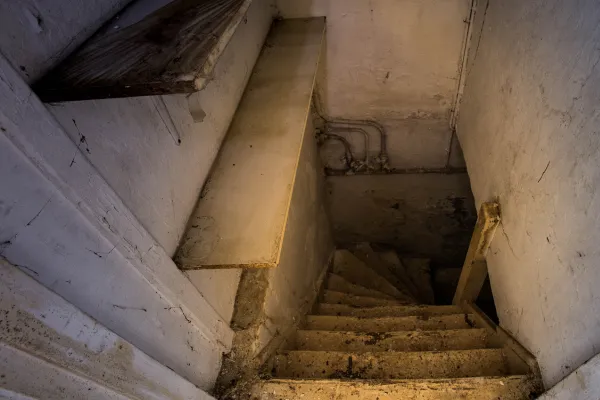
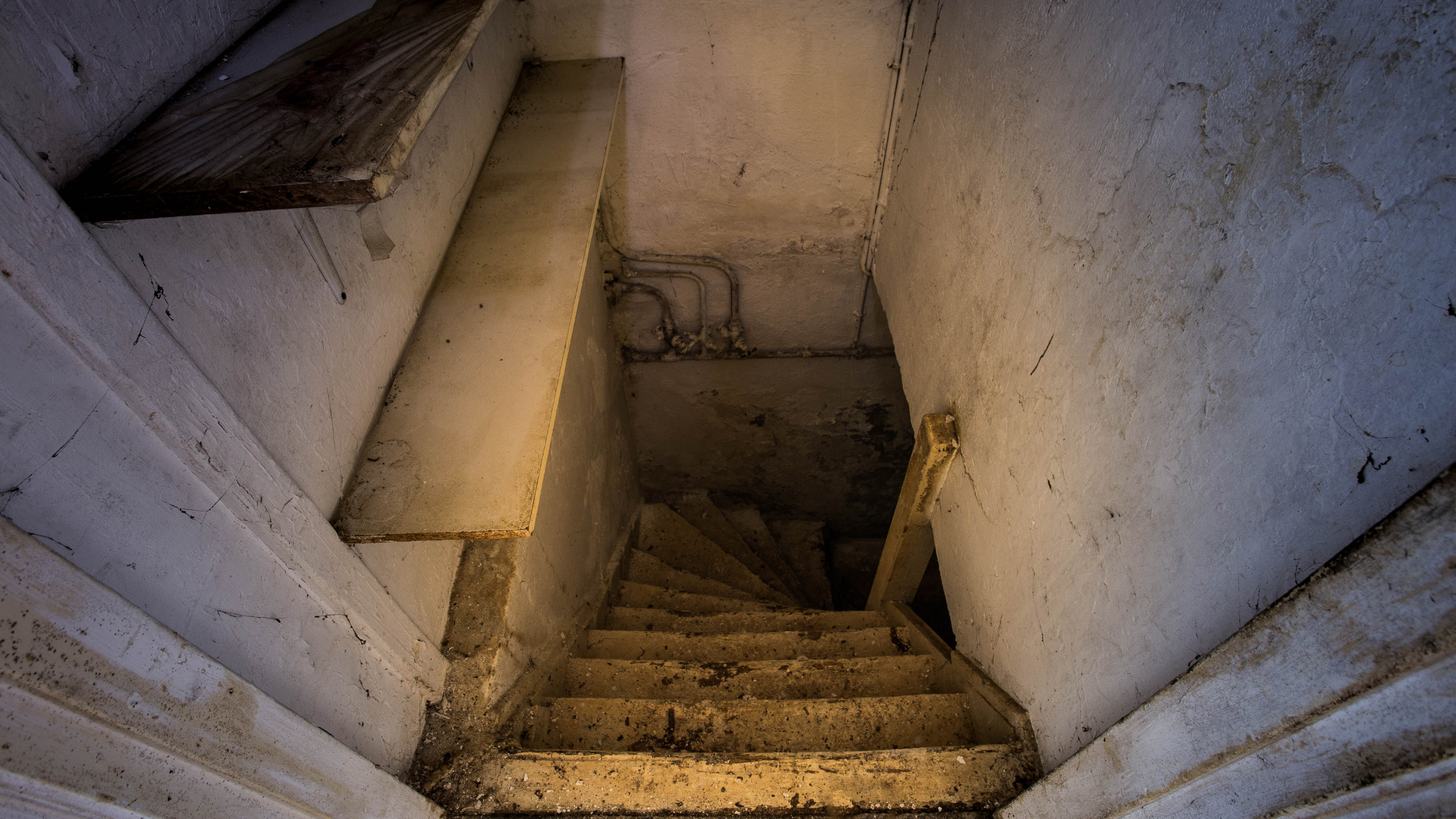
Mold in concrete does not always grow in open or visible areas. In many cases, it develops in places that stay damp, dark, or have poor air circulation.
Some of the most common places where mold is found in concrete include:
Basement foundation walls
Garage floors and walls
Crawlspace slabs
Concrete behind storage boxes, shelving, or furniture
Areas near sump pumps, floor drains, or plumbing lines
If mold is growing in these areas, it often means there is excess moisture present. Until the moisture problem is corrected, mold in concrete is likely to continue coming back.
Types of Mold in Concrete
If you are dealing with mold in concrete, identifying the specific type can help determine the best treatment approach. Common molds found in concrete include:
Aspergillus
Aspergillus is a dark-colored mold commonly found in soil and food, but also capable of growing in concrete. It produces toxic metabolites and should be removed promptly.
Basidiomycetes
Often found in the Southeast, Southwest, and Pacific Coast regions. It produces a fruity odor, and basidomycetes are sometimes mistaken for termite damage.
Cladosporium
A dark mold commonly found in soil and decaying vegetation. Cladosporium thrives in warm, humid concrete environments.
Penicillium
Known for its blue or green appearance, Penicillium can grow on concrete exposed to moisture.
Scopulariopsis
Scopulariopsis appears green or black and is often mistaken for insect damage. It grows in soil, vegetation, and concrete.
Stachybotrys
Commonly associated with water-damaged materials, but stachybotrys can also grow on concrete. It produces toxic metabolites and should be addressed immediately.
How To Treat Concrete With Mold Growth
If you’re trying to understand how to get rid of mold in concrete, the first step is moisture control. Mold cannot thrive without water.
Basements and crawlspaces are common moisture sources. Installing a sump pump can help prevent flooding and water intrusion. Improving ventilation and adding insulation can also reduce trapped moisture in concrete walls and floors.
To kill mold growing on concrete, non-toxic biocidal cleaners may be used. These products are non-corrosive, biodegradable, and safe for use in homes with children or pets. They can be effective for surface-level mold when moisture issues are properly addressed.
Contact a Professional If You Have Discovered Mold in Your Concrete
If you are unsure what type of mold you are dealing with, it’s best to contact a professional like ZeroMold. Professional mold removal experts can take samples, identify the mold, and recommend the safest and most effective treatment.
You should also seek professional help if your concrete shows signs of significant rot or long-term moisture damage. In some cases, replacement may be recommended. Professionals can also help identify and correct the moisture source causing mold in concrete walls or foundations.

Conclusion
Concrete is a durable building material, but it can still develop mold when exposed to moisture or poor ventilation. If you discover mold in concrete, addressing it quickly can help prevent health risks and structural damage.
Protecting concrete with proper ventilation, moisture control, and sealing can reduce future growth. When mold is widespread or difficult to identify, professional mold removal is often the safest solution.
Always contact a professional if concrete shows significant mold growth or signs of decay.