Mold Health Risks: How Living With Mold Can Affect Your Health
Mold in Your Home: A Hidden Health Threat
Mold isn’t just an ugly stain on your walls. It’s a potential health hazard. Living with mold in your home can expose you to serious mold health risks, especially when mold growth goes unnoticed for long periods of time.
Mold exposure can trigger respiratory issues, allergic reactions, and infections in people with compromised immune systems. Black mold health risks, in particular, tend to cause more intense symptoms for individuals with asthma or allergies. If left untreated, mold can spread quickly, affect indoor air quality, and increase health risks for your entire household.
So what exactly makes mold dangerous, and how can it affect your health? Let’s break it down.
The Hidden Dangers of Mold Exposure
Mold-related health problems don’t always look the same from one person to the next. In some cases, symptoms show up quickly. In others, they develop slowly and are easy to dismiss.
Here are some of the most common mold exposure health risks to be aware of:
1. Respiratory Issues and Allergic Reactions
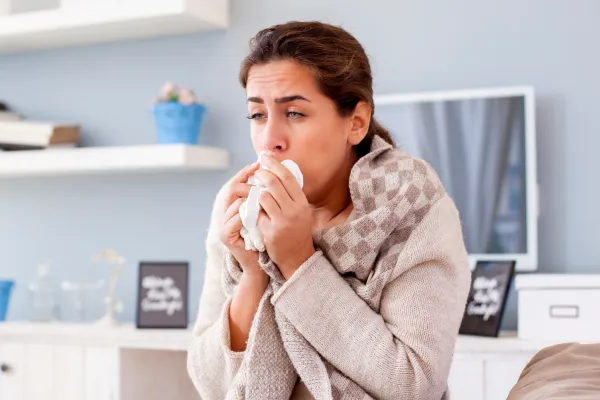
One of the most common mold exposure health risks involves breathing problems. Mold releases tiny airborne spores that can be inhaled and irritate the respiratory system.
Common symptoms include coughing, sneezing, congestion, and shortness of breath. Even non-toxic mold varieties can irritate the respiratory system, leading to chronic issues in those who are sensitive.
Individuals most at risk include:
People with asthma – Mold spores can trigger asthma attacks and worsen symptoms.
Those with allergies – Mold exposure can cause itchy eyes, a runny nose, and skin rashes.
Young children and the elderly – Their immune systems are more vulnerable to irritants.

2. Black Mold and Toxic Reactions
Black mold health risks receive a lot of attention, and for good reason. Black mold (Stachybotrys chartarum) can release mycotoxins that may worsen health problems, especially in damp, enclosed environments.
Symptoms associated with black mold exposure can include:
Persistent headaches
Chronic fatigue
Nausea or dizziness
Severe sinus congestion
If you notice any of these symptoms and have visible mold growth in your home, it’s time to take action as soon as possible.

3. Increased Risk of Infections
Mold isn’t just a nuisance. It can be dangerous for people with weakened immune systems. According to the CDC, individuals with chronic lung conditions or immune deficiencies face higher mold exposure health risks, including fungal infections.
These infections can become serious and may require medical treatment. This is one reason mold problems should never be ignored, even if symptoms seem mild at first.
How to Protect Your Home and Health From Mold
Protecting your home from mold doesn’t require extreme measures, but it does require consistency. Small habits and early action can make a big difference in reducing mold growth and limiting health risks. The steps below focus on practical ways to keep moisture under control and catch problems before they spread.
1. Control Moisture Levels
Mold thrives in damp environments. The key to prevention? Keep moisture under control!
Use dehumidifiers to keep indoor humidity below 50%
Fix leaks in roofs, windows, and plumbing quickly
Ensure proper ventilation in bathrooms, kitchens, and basements
2. Clean and Dry Water-Damaged Areas Quickly
If your home has suffered water damage from a leak or flood, act fast:
Dry affected areas within 24-48 hours to prevent mold growth.
Use fans and dehumidifiers to speed up drying.
Remove and replace water-damaged drywall or carpets if necessary.

3. Regularly Inspect and Maintain Your Home
Mold often grows out of sight in areas such as behind walls, under sinks, or inside HVAC systems. Regular inspections can help catch problems early.
Check bathrooms, basements, and attics for signs of moisture
Clean air ducts and ventilation systems regularly
Watch for musty odors, which can indicate hidden mold growth
4. Use Non-Toxic Mold Removal Solutions
For small, surface-level mold problems, non-toxic cleaning options may help:
Distilled white vinegar to kill mold on hard surfaces
Baking soda to absorb moisture and odors
Hydrogen peroxide to break down mold spores
For larger infestations, professional mold remediation is usually the safest and most effective option.
A Quick Self-Check: Could Mold Be Affecting Your Health?
Sometimes mold health risks aren’t obvious. Symptoms can be easy to brush off or blame on allergies, stress, or seasonal changes. This quick checklist can help you spot patterns that may be worth paying attention to.
Check any that sound familiar:
☐ You have ongoing coughing, sneezing, or congestion that doesn’t seem to go away
☐ Headaches or fatigue feel worse when you’re at home
☐ Allergy or asthma symptoms have suddenly gotten worse
☐ You notice musty or damp smells, even if you don’t see mold
☐ Symptoms improve when you’re away from home for a few days
☐ Your home has had past water damage, leaks, or flooding
☐ You see discoloration or spots on walls, ceilings, or around vents
☐ More than one person in the household is feeling similar symptoms
If you checked a few of these boxes, mold exposure health risks could be playing a role.
This doesn’t mean mold is definitely the cause, but it does mean it’s worth looking into. A professional inspection can help confirm whether mold is present and if it could be affecting your indoor air quality.
When to Call a Professional Mold Removal Service
While DIY solutions can work for minor cases, some mold infestations require expert help. Call a professional if:
Mold covers more than 10 square feet
It keeps coming back after repeated cleaning
You suspect mold in air ducts or behind wall
Your family is experiencing unexplained health symptoms
At ZeroMold, we use advanced, non-toxic mold remediation methods to reduce mold health risks without harsh chemicals or unnecessary demolition.

The Bottom Line: Don’t Ignore Mold Health Risks
Mold isn’t just an eyesore. The mold health risks associated with long-term exposure can affect breathing, immune function, and overall well-being. Black mold health risks can be even more serious if moisture problems are left untreated.
By controlling moisture, acting quickly after water damage, and scheduling regular inspections, you can protect your home and your health.
Concerned about mold in your home? Contact ZeroMold today for a professional inspection and take the first step toward a healthier living environment.