Is Mold Removal Safe for My Family & Pets?
Protecting Your Loved Ones During Mold Removal
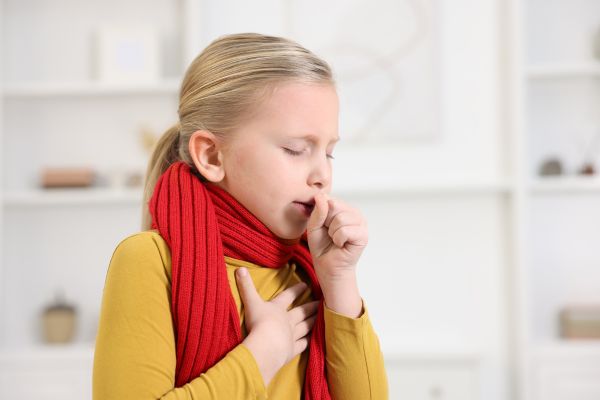
Mold is more than just an eyesore, it’s a health risk, especially for children and pets. Mold exposure can trigger respiratory problems, allergic reactions, and skin irritation, which is why mold remediation and safe cleanup methods matter so much. But is mold removal safe for your family and pets? Yes, when it’s done correctly.
At ZeroMold, safety is a priority throughout the mold remediation process. By using non-toxic treatments, proper containment methods, and prevention strategies, we help create a healthier home without exposing your loved ones to unnecessary risks. Let’s break down how to approach safe mold removal while keeping your home protected.
Understanding the Risks of Mold Exposure
Before looking at how mold affects people and pets differently, it helps to understand why mold exposure is a concern in the first place. Mold doesn’t just stay on surfaces. It releases particles into the air that can be inhaled or come into contact with skin, which is where health symptoms often begin.

Why Is Mold Dangerous?
Mold produces allergens, irritants, and mycotoxins that can cause breathing difficulties, skin rashes, and allergic reactions. This is why mold is dangerous, especially for children, older adults, and pets with more sensitive immune systems.
Even small amounts of mold can trigger symptoms when exposure continues over time.
Common Symptoms of Mold Exposure
In humans:
Coughing and sneezing
Runny nose or congestion
Itchy skin or eyes
Headaches
In pets:
Wheezing or labored breathing
Excessive scratching
Lethargy
Nasal discharge
Many homeowners also ask, can mold affect dogs? The answer is yes. Pets can react to mold exposure in similar ways to humans, particularly when mold is present in shared living spaces.
If mold growth is ignored, long-term exposure can contribute to more serious respiratory conditions, which is why addressing mold early is so important.

Safe Mold Removal Practices for Families & Pets
When mold growth is small, contained, and limited to non-porous surfaces, careful cleaning may be enough. In these cases, the focus of safe mold removal is on reducing exposure and preventing mold spores from spreading to other areas of your home, especially where children and pets spend time.
If you’re going to handle minor mold cleanup yourself, these steps outline a safer way to do so while limiting exposure for everyone in your home.
1. Choose Non-Toxic Cleaning Solutions
Many commercial mold removers contain harsh chemicals like bleach and ammonia, which can be harmful if inhaled or touched. For small, surface-level issues, safe mold removal starts with gentler alternatives, such as:
Distilled white vinegar, which kills mold without toxic fumes
Baking soda, which helps remove moisture and odors
Hydrogen peroxide, which eliminates mold and bacteria while being more pet-friendly
These options effectively remove mold without putting your family and pets at risk.
2. Secure the Area Before Cleaning
Before tackling mold, make sure children and pets are kept out of the affected area. Here’s how to do it:
Use baby gates or close doors to block access.
Consider mold removal during school hours or when pets can be safely confined to another room.
For large-scale mold removal, consider temporary relocation for added safety.
3. Maintain Proper Ventilation
During mold remediation, spores can become airborne. Improving airflow helps reduce exposure:
Open windows and doors to create cross-ventilation
Use exhaust fans to direct spores outside
Run a HEPA air purifier to help capture airborne particles
Ventilation plays an important role in supporting safe cleanup.
4. Wear Protective Gear
If you’re handling mold cleanup yourself, basic protective equipment matters:
Gloves to prevent skin contact
Goggles to protect your eyes
A mask, preferably an N95 respirator, to avoid inhaling spores
These small precautions make a huge difference in protecting your health during your mold removal process.

5. Proper Disposal and Post-Cleaning Maintenance
After removing mold:
Double-bag moldy rags, debris, or disposable tools
Wash reusable cleaning cloths immediately
Monitor indoor humidity and keep it below 50% to discourage regrowth
When to Consider Professional Mold Remediation
While small mold issues can sometimes be managed with DIY methods, larger infestations or mold linked to water damage usually require professional mold remediation.
You should consider calling a professional if:
Mold covers more than 10 square feet
You smell mold but can’t find the source
Family members or pets have ongoing allergic symptoms
Mold is present in air ducts, HVAC systems, or behind walls
Professional mold remediation helps ensure mold is removed thoroughly while limiting exposure throughout your home.

Preventing Mold Growth in Your Home
After mold has been addressed, prevention becomes the next part of the conversation. Understanding what helps limit future growth can reduce the chances of dealing with the same issue again.
Long-Term Prevention Tips
Control moisture by fixing leaks and using dehumidifiers
Improve ventilation in bathrooms, kitchens, and basements
Use mold-resistant materials when possible
Inspect hidden areas, such as under sinks and behind appliances
At ZeroMold, mold remediation doesn’t stop at removal. Prevention is part of the process to help keep your home mold-free long term.
The Bottom Line: Mold Removal Can Be Safe With the Right Approach
Mold removal doesn’t have to put your family or pets at risk. By using non-toxic cleaning methods, securing the area, maintaining good ventilation, and wearing protective gear, you can support safe mold removal in minor cases.
For more serious situations, professional mold remediation offers a safer, more complete solution that addresses mold at its source.
Worried about mold in your home?
Contact ZeroMold to schedule a free inspection and protect your home, family, and pets.
Frequently Asked Questions About Mold Remediation and Safety
1. Is mold remediation safe for my family?
Yes. When done correctly, mold remediation is designed to control airborne spores and reduce exposure, making your home safer during and after the process.
2. Can mold affect dogs or other pets?
Yes, mold can affect dogs and other pets, especially with ongoing exposure. Symptoms may include scratching, breathing issues, or low energy.
3. Why is mold dangerous inside a home?
Mold releases spores into the air that can irritate the lungs, skin, and sinuses, especially with long-term exposure.
4. Is it safe to clean mold myself?
DIY cleaning can support safe mold removal for very small, surface-level areas, but it won’t address hidden mold or airborne spores.
5. When should I choose professional mold remediation?
Professional mold remediation is recommended when mold keeps returning, covers a large area, or you smell mold but can’t see it.
6. Is mold remediation safe for pets to be around?
In many cases, yes. Proper containment and air filtration are used to reduce exposure, but larger projects may require temporary separation.
7. Do I need to leave my home during mold remediation?
Not always. Whether you need to leave depends on the size of the affected area and the remediation plan.
8. How long does mold remediation usually take?
Some projects take a day, while others take several days. The timeline depends on the extent of the mold and moisture issues.
9. Will mold come back after remediation?
Mold is much less likely to return when moisture problems are identified and fixed as part of the remediation process.
10. How do I know if mold remediation is necessary?
If mold keeps coming back, affects air quality, or raises health concerns, a professional inspection can help you decide the next step.