How To Remove Drywall Mold
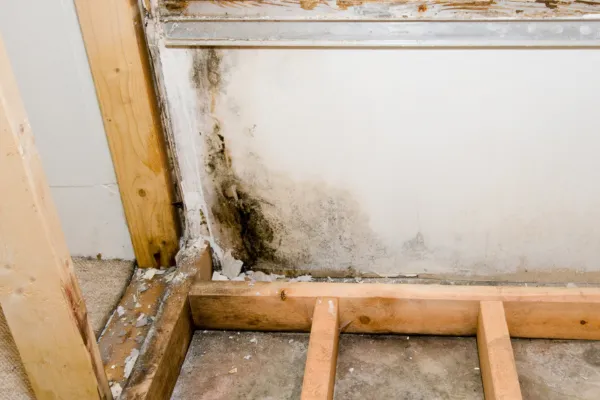
Mold spores have the potential to develop into larger colonies, provided that the environment in which they are found is favorable to their continued existence. It cannot develop without food and humidity, and it is typically most successful in cellulose-based goods like drywall, where it can easily find both. This is why drywall mold is such a common issue in homes with moisture problems.
Mold that grows on drywall is considered potentially hazardous since it can have a significant effect both on your well-being and on the structural strength of your home. If you fail to take early action or correctly control the mold growth, it can quickly spread throughout the drywall and reproduce. Understanding how to remove drywall mold properly is important before the problem gets worse.
This blog discusses the ways in which mold can grow on drywall, the reasons why it is harmful, and the steps that can be taken to alleviate the situation.
How Does Mold Grow on Drywall?
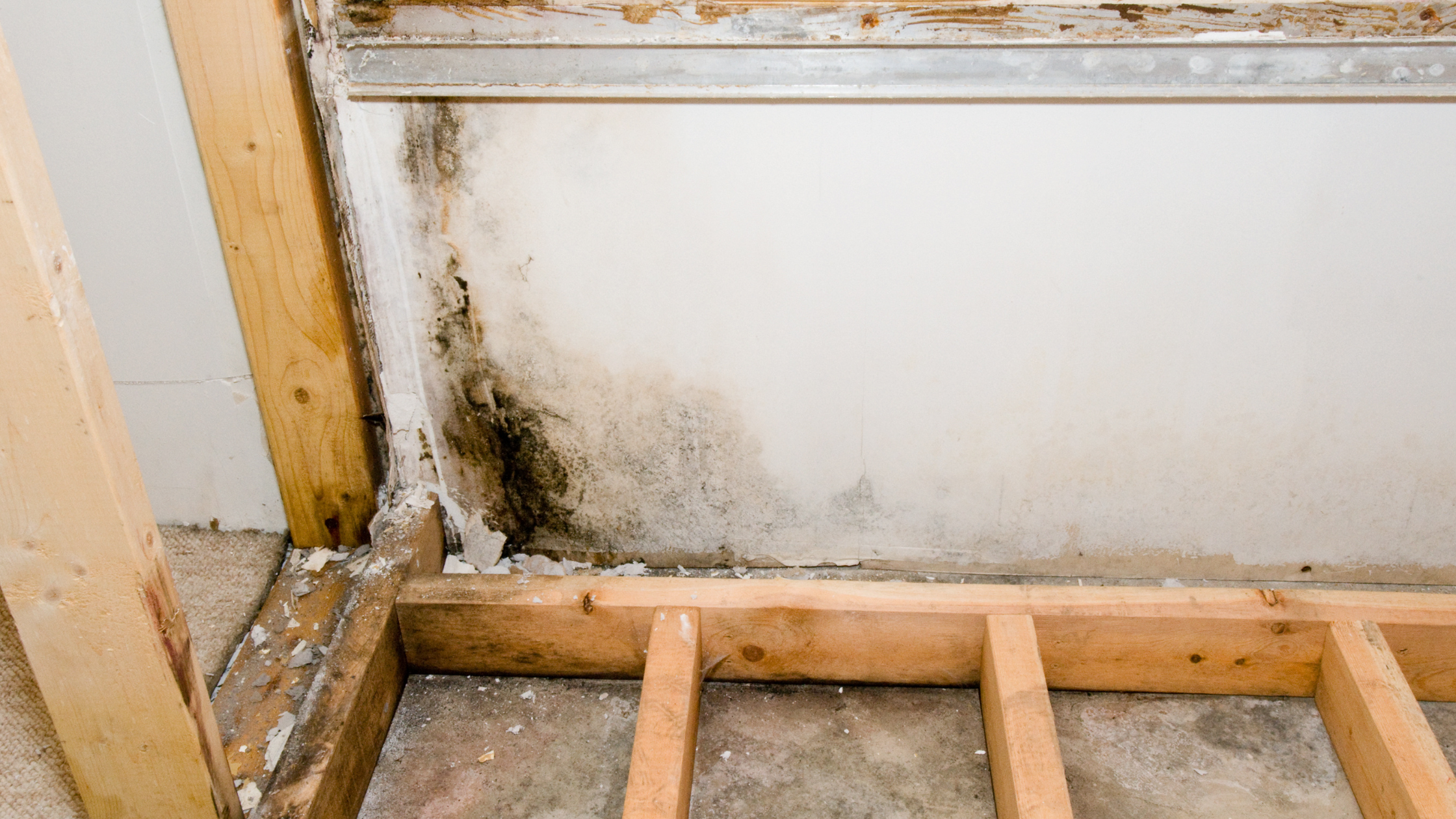
Mold can develop on many different surfaces, depending on how porous those surfaces are. Porous surfaces have a higher tendency to attract moisture, producing an ideal habitat for mold growth.
Mold could also develop on non-porous surfaces if they have built up a significant amount of dirt and grime over time, which can cause the surface to get damp when it is exposed to moisture.
As long as there is a steady amount of humidity and moisture in the air, mold can grow on walls made of drywall or sheetrock because they are very porous. Once moisture is present, drywall mold removal becomes more difficult the longer it is left untreated.
Why Mold on Drywall Is Dangerous
Mold growing on drywall is more than a cosmetic issue. Because drywall is porous and often covers large areas of a home, mold can spread quickly and affect both the structure of the house and the health of the people living in it. Understanding why drywall mold is considered dangerous helps explain why early action is so important.
It Is Easily Spread
Mold can rapidly spread on drywall, especially if the home’s drywall covers most of the space. As long as it has the right conditions for growth, it can quickly grow its population and make more of itself.
It is also possible for the spores to become airborne and travel to other parts of your home, such as the furnishings, crawlspaces, and heating and cooling systems. If you wait too long to treat the issue, it could likely get more severe, resulting in increased costs for repairs and mold removal.
It Might Trigger Allergic Reactions
Mold spores can cause allergic reactions in people who breathe them in or get them on their skin, eyes, or clothing. The body identifies mold spores that are carried on the air as foreign invaders, and in response, antibodies are produced to combat them.
Sneezing, a runny nose, watery eyes, and coughing are some of the ways that your body tries to eliminate foreign substances from your body. Aspergillus, Alternaria, Penicillium, and Cladosporium are some common molds that can cause allergic reactions in people who are prone to them.

It Can Jeopardize Your House
Even though mold spores aren't corrosive, they can do significant harm to your home's walls. They can leave stains and cause decay, which all need to be taken care of if you want to get rid of the mold for good.
Mold spores can disperse through the air and land on various surfaces in your own house, such as carpets and furniture. This indicates that you will need to replace the drywall within your own house and any other porous materials with mold growing on them. This is why many homeowners turn to mold removal experts when drywall is affected.
It Can Lead to Illnesses Caused by Mold
Mold exposure has been linked to various major health issues, including asthma attacks, respiratory infections, and lung disorders. It may worsen an asthmatic condition or it may set off an asthma attack, making it hard to breathe with no inhaler.
Mold can also cause other diseases, like hypersensitivity pneumonitis, which is a disorder that occurs when inhaled mold particles create inflammation in the lungs.
Mold Removal Procedures for Drywall
If you notice mold on your dry wall, mold removal needs to be at the top of your to-do list. Because drywall is porous, mold can spread quickly if the problem isn’t handled the right way. The steps below outline the key actions involved in drywall mold removal and explain why each one matters when trying to stop mold from coming back.
Eliminate the Moisture Source
Before you begin eradicating drywall’s mold, you must determine the origin of the moisture first. This is the first and most important step in how to remove drywall mold safely.
The issue must be addressed, whether it's a leaking pipe or window, a roofing problem, or a concrete floor that is leaking water vapor.
Hire a Professional
At this point, you will want to hire professionals to eliminate the mold to ensure that this is done properly and completely. When drywall is involved, professional drywall mold removal helps reduce the risk of spreading spores throughout the home.
Maintain a Low Humidity
In the future, a humid climate may foster mold regrowth. Reduce the humidity levels in the space to keep it dry and free of mold.
To prevent mold from forming in other areas, utilize a dehumidifier in order to maintain the humidity between 30 to 50 percent. Following these methods will assist you in removing mold from the drywall and preventing it from returning.
Hire ZeroMold to Remove Mold From Your Drywall
If you need help removing the mold in your drywall, hire a professional cleaning service like ZeroMold. We are a professional mold removal company with the experience and equipment necessary to safely and thoroughly detect and remove mold. Our team of mold removal experts understands how mold behaves in porous materials like drywall.
Family-owned and operated, ZeroMold provides a one-stop service for all your mold removal and water damage cleanup needs. We have over 30 years of experience in the mold and water damage cleanup industry and use only the latest eco-friendly technology and techniques.
Being fully IICRC-certified with a 100% success rate, we take pride in providing our services in a friendly, reliable, and professional manner. We will not only clean up the mold but also disinfect the area where it was found and help prevent future drywall mold growth.
If you have discovered mold in your drywall, you must take action as soon as possible. Not only will a small amount of mold pose a health risk to your family members, but a large amount can be very dangerous, even leading to the loss of your home.
Contact ZeroMold today for any mold disaster. Call us anytime at (888) 928-6653 for a free evaluation and inspection, or email us at [email protected] for your questions.

Frequently Asked Questions About Drywall Mold
1. How do I know if mold is growing behind my drywall?
Mold behind drywall often shows up as discoloration, soft or warped walls, or a musty smell that doesn’t go away. Even if you can’t see it, moisture problems can allow drywall mold to grow out of sight.
2. Can drywall mold be cleaned, or does it need to be replaced?
In many cases, drywall mold cannot be fully cleaned because drywall is porous. If mold has penetrated deeply, removing and replacing the affected drywall is usually the safest option.
3. Is drywall mold dangerous to my health?
Yes. Mold growing on drywall can release spores into the air, which may cause allergic reactions, breathing issues, and other health problems, especially for people with asthma or weakened immune systems.
4. What causes mold to grow on drywall?
Drywall mold is most commonly caused by moisture from leaks, flooding, high humidity, or poor ventilation. Without fixing the moisture source, mold is likely to return even after cleanup.
5. Can I remove drywall mold myself?
Small, surface-level mold may sometimes be cleaned with proper safety equipment, but drywall mold often spreads beneath the surface. Talking to mold removal experts first is strongly recommended before attempting DIY removal.
6. How long does drywall mold removal take?
The time required for drywall mold removal depends on how much drywall is affected and whether moisture damage is involved. Some projects take a day, while more severe cases may take several days.
7. Will mold come back after drywall mold removal?
Mold can return if the moisture problem is not corrected. Proper drying, ventilation, and humidity control are essential to prevent future mold growth.
8. When should I call mold removal experts for drywall mold?
You should contact mold removal experts if the mold keeps spreading, returns after cleaning, affects a large area, or if anyone in the home is experiencing health symptoms.