When Should You Clean Mold Yourself vs Call Professional Mold Removal?
Bleach Isn’t Always the Answer (Even if Your Uncle Swears By It)
“Just splash some bleach on it!” Sound familiar?
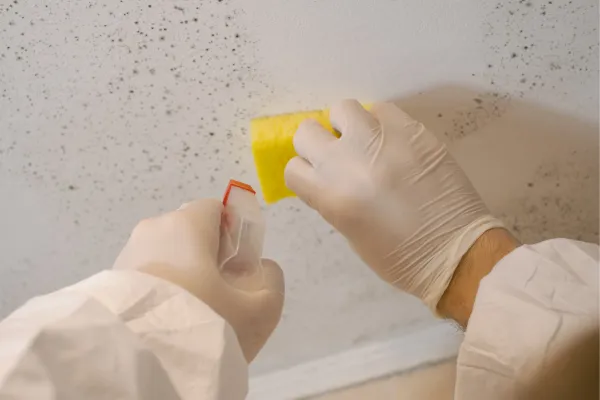
For decades, bleach has been the go-to household solution for anything gross, slimy, or suspiciously black on the wall. But when it comes to mold removal, the reality is more complicated. While bleach might appear to clean mold on the surface, it doesn’t always solve the problem, and in some cases, it can make it worse.
At ZeroMold, we take mold seriously because it affects your home, your health, and your peace of mind. Let’s break down when DIY mold cleaning makes sense, when mold cleanup should go further, and when it’s time to call in professional mold removal.
Should You Use Bleach for Mold Cleanup?
Short answer: usually no.
Here’s why bleach isn’t a reliable mold removal solution:
Bleach doesn’t penetrate porous materials. It only treats surface mold on non-porous surfaces like tile or glass. If mold is in drywall, wood, carpet, grout, or insulation, bleach can’t reach it.
Dead mold is still harmful. Even after mold is “killed,” spores and toxins can remain and continue to affect indoor air quality.
Bleach is harsh. It can irritate lungs, eyes, and skin, especially in poorly ventilated spaces. Mixing bleach with other cleaners can also create toxic fumes.

When Bleach May Be Appropriate
Small patches of mold on non-porous surfaces
Temporary disinfection of bathroom tiles or bathtubs
Only when used with proper ventilation and personal protective equipment
Safer DIY Alternatives to Bleach
If you’re handling light mold cleanup, safer options include:
Distilled white vinegar (effective against many mold species)
3% hydrogen peroxide (antifungal and antibacterial)
Baking soda and water (gentle and deodorizing)
Dish soap and water (for surface-level mold removal)
These options are better suited for DIY mold cleaning when the problem is small and contained.

When Is It Safe to Clean Mold Yourself?
You can consider DIY mold removal if:
The affected area is under 10 square feet (about a 3 ft x 3 ft patch)
The mold is on a non-porous surface (tile, glass, sealed countertops)
The mold was not caused by flooding or sewage
You’re healthy, not immunocompromised, and no one in your home has asthma or severe allergies
Essential DIY Mold Cleanup Steps
Fix the moisture source first (leaks, condensation, poor ventilation)
Wear protective gear: gloves, goggles, and an N95 respirator
Clean using soap and water or vinegar-based solutions
Dry the area completely to prevent regrowth
Discard mold-infested porous materials (drywall, carpet, ceiling tiles)
Keep the area well ventilated during and after mold cleanup
Bonus tip: If the musty smell lingers after cleaning, mold is probably still hiding somewhere.

When Should You Call a Professional Mold Removal Service?
DIY has limits. Professional mold removal is the safer option if:
Mold covers more than 10 square feet
Mold is inside walls, HVAC systems, insulation, or crawl spaces
You smell mold but can’t see it
Anyone in your home has chronic health issues, asthma, or allergies
Mold was caused by flooding or sewage backup
You’ve tried DIY mold cleaning, but it keeps coming back
At ZeroMold, professional mold removal goes far beyond a sponge and spray bottle. Our process includes:
HEPA vacuuming
Infrared moisture detection
Organic fog treatments that reach porous materials
Containment systems to prevent spore spread
Just as importantly, it provides peace of mind that the mold removal was done properly the first time.

Why DIY Mold Cleanup Isn’t Always Cheaper
DIY mold cleaning can save money in the short term, but incomplete mold cleanup often leads to bigger problems later, including:
Recurring mold growth
Damage to drywall, insulation, or flooring
Health-related costs from ongoing exposure
We see this all the time. Homeowners attempt DIY mold removal, only to call for professional mold removal when the problem spreads. Mold removal isn’t just about cleaning what you see. It’s about eliminating the cause and preventing it from returning.
The Bottom Line: Clean Smart, Not Just Hard
Bleach might have a place in your cleaning cabinet, but it’s not a cure-all for mold removal. Effective mold cleanup starts with moisture control, uses safer cleaning methods, and knows when professional mold removal is the smarter choice.
Need help deciding what your situation calls for
ZeroMold offers inspections and eco-friendly professional mold removal solutions. Contact ZeroMold today, and let’s get your home mold-free, for good!
Frequently Asked Questions About DIY Mold Cleaning and Professional Mold Removal
1. Can DIY mold cleaning completely remove mold from my home?
DIY mold cleaning can help with small, surface-level mold on non-porous materials like tile or glass. However, it usually does not address mold growing inside walls, insulation, or HVAC systems. If moisture problems remain or mold keeps returning, professional mold removal is often needed to fully resolve the issue.
2. Is mold removal always expensive?
Not always. The cost of mold removal depends on how large the affected area is, where the mold is located, and how long it has been growing. Small jobs can sometimes be handled with DIY mold cleanup, while larger or hidden mold problems typically require professional remediation to prevent costly damage later.
3. Why does mold keep coming back after I clean it?
Mold often returns because the source of moisture was never fixed. Even thorough DIY mold cleaning won’t last if leaks, humidity, or poor ventilation remain. Professional mold removal focuses on both removing mold and addressing the conditions that allow it to grow.
4. Is it safe to stay in my home during mold cleanup?
It depends on the situation. Small, contained mold cleanup may be safe with proper ventilation and protective gear. However, larger mold problems, hidden mold, or mold affecting sensitive individuals may require professional mold removal and temporary relocation to reduce exposure.
5. When should I stop DIY mold cleaning and call a professional?
You should contact a professional mold removal service if:
Mold covers more than 10 square feet
Mold is inside walls, ceilings, or HVAC systems
You smell mold but can’t see it
Health symptoms appear or worsen
Mold keeps coming back after cleaning
A professional assessment helps determine the safest and most effective next step.